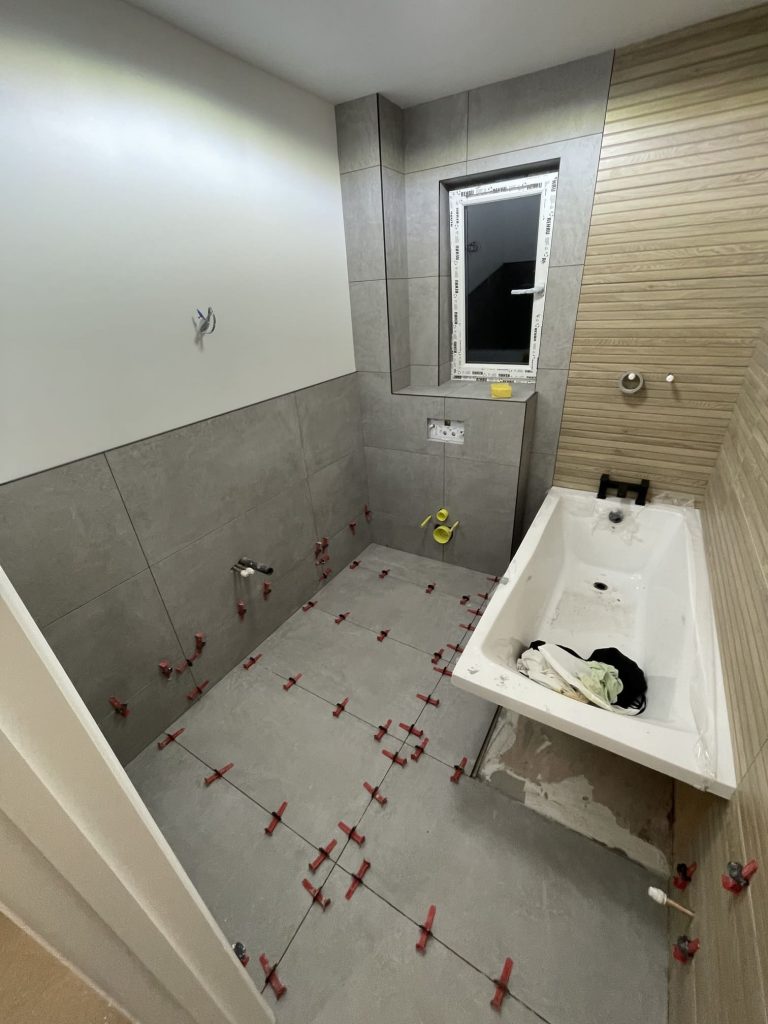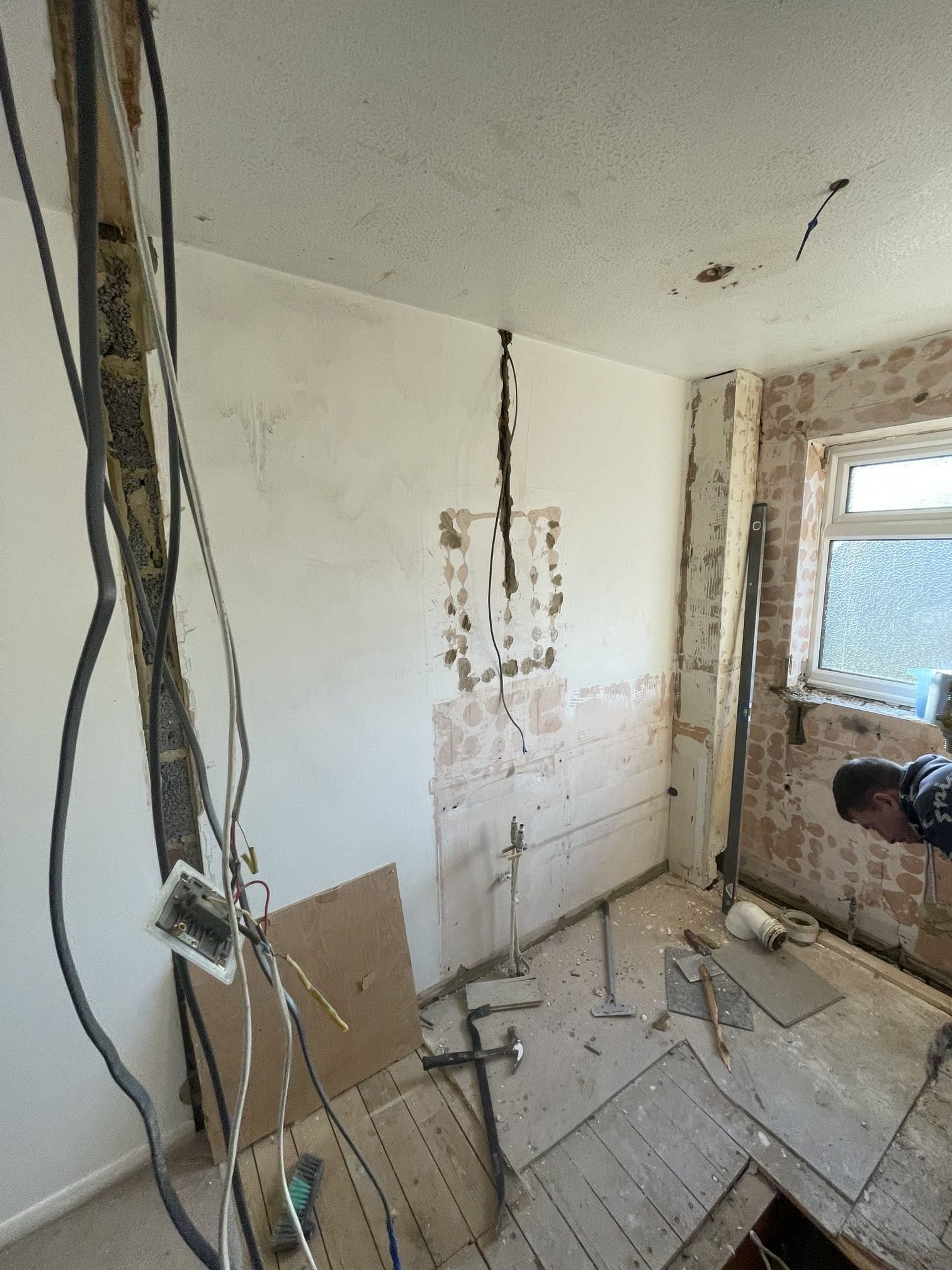
The difference between a property that bleeds money and a home that exponentially grows in market value rarely comes down to the choice of kitchen tiles. The real deciding factor happens months before the paint dries. It lies in the invisible architecture of project management, structural foresight, and the precise coordination of trades. In the evolving landscape of Berkshire real estate, executing a seamless property transformation requires a level of orchestration that only experienced general builders in Reading can deliver.
Many property owners step into a renovation expecting a linear progression of events. The reality of domestic construction is far more fluid, requiring constant troubleshooting, adaptation to hidden building flaws, and strict adherence to local compliance. Hiring a singular, unified building contractor shifts the immense burden of risk, logistics, and quality control off the homeowner’s shoulders and places it firmly in the hands of seasoned professionals.
Decoding Reading’s Unique Housing Stock
Every town has its architectural distinctiveness, and Reading is no exception. The approach a builder takes must be heavily dictated by the era in which the property was constructed. A rigid, one-size-fits-all approach to building simply does not work when transitioning from a 19th-century Victorian terrace in the university district to a mid-century semi-detached home in Caversham.
Older properties often hide a multitude of historical sins behind their plaster. When stripping back the walls of an Edwardian home, contractors frequently encounter failing lime mortar, compromised timber joists, or severe rising damp that previous owners merely painted over. Modernizing these spaces requires a delicate balance between preserving historical character and upgrading the property to modern thermal efficiency standards.
Conversely, newer builds present their own set of challenges, particularly regarding the integration of smart home technologies and complex HVAC systems within modern cavity walls. An experienced local builder understands these generational nuances intimately. They anticipate the presence of hazardous materials like asbestos in 1970s artex ceilings and know exactly how to safely and legally manage their extraction without derailing the project timeline.
Navigating Structural Safety and Building Control
Perhaps the most critical junction in any major domestic project is the alteration of the building’s physical footprint. Whether the goal is to open up a cramped floor plan by knocking through a load-bearing wall, or extending the kitchen into the rear garden, the laws of physics cannot be negotiated with.
Working closely with Reading Borough Council’s Building Control officers is not an optional extra; it is a legal necessity. Professional general builders handle the entire labyrinth of structural compliance. This involves liaising with structural engineers to calculate the exact specifications of the RSJ (Rolled Steel Joist) beams required to support the upper floors once a wall is removed.
The consequences of getting this wrong are severe, ranging from localized cracking in the plasterwork to catastrophic structural failure. The integrity of the entire building relies on getting this initial phase perfectly right. It is precisely for this reason that prioritizing professional structural renovations lays the absolute foundation for the rest of the project. If the core skeleton of the house is compromised, no amount of bespoke joinery or high-end finishing will save the investment.
The Hidden Choreography of Site Management
Time is arguably the most expensive commodity on any building site. The true value of a general builder becomes glaringly obvious when observing the daily sequencing of trades—a process known in the industry as phasing.
A well-managed site operates with the precision of a military supply chain. The sequence generally follows a strict hierarchy:
-
Site Preparation and Demolition: Safe removal of old fixtures, stripping back to brickwork, and responsible waste management.
-
Groundwork and Structural Alterations: Pouring foundations for extensions, installing steelwork, and altering the roofline.
-
First Fix: The installation of the hidden infrastructure. Plumbers run the initial pipework, and electricians channel out walls for cabling before any plaster is applied.
-
Plastering and Drying: A critical phase that cannot be rushed, as improper drying times lead to blown plaster and severe moisture issues down the line.
-
Second Fix: The connection of appliances, fitting of light switches, hanging of internal doors, and installation of skirting boards.
-
Finishing and Decorating: The final aesthetic touches that turn a building site back into a home.
What often surprises property owners attempting to self-manage is the domino effect of a single delay. If the materials for the first-fix plumbing are delayed by 48 hours, the plasterer cannot begin. If the plasterer is delayed, they may have to move on to another client’s job, potentially stalling the entire renovation for weeks. A dedicated general contractor prevents this by leveraging established supplier relationships, pre-ordering critical materials months in advance, and holding sub-contractors to rigid schedules.
The Financial Logic of Quality Craftsmanship
There is a profound difference between a renovation that looks good on completion day and one that still functions flawlessly a decade later. While the initial quote from a reputable general builder may appear higher than a collection of separate, unvetted tradesmen, the long-term financial logic heavily favors the professional route.
Budgeting for a major residential project requires extreme realism. A professional builder will conduct a forensic assessment of the property before issuing a tender, identifying potential “hidden” costs—such as the need for full rewiring or the upgrading of a failing boiler system to cope with new underfloor heating. They build realistic contingency funds into the initial projections, ensuring that unexpected discoveries under the floorboards do not grind the project to a halt due to lack of capital.
Furthermore, high-quality craftsmanship directly impacts the property’s valuation. When it comes time to sell, independent surveyors can instantly spot the difference between an amateur DIY extension and a professionally certified build. Proper insulation, correct damp proofing, and flawlessly integrated structural work not only reduce monthly energy bills but provide undeniable leverage during property valuation.
Protecting Your Investment: Warranties and Snagging
The final weeks of a project are notoriously the most difficult. This is the stage where “renovation fatigue” sets in for the homeowner. A premium building service distinguishes itself during this final push through a rigorous snagging process.
Instead of leaving the client with a list of minor defects—a dripping tap, a misaligned cabinet door, or a poorly finished paint edge—the general builder conducts a comprehensive internal audit. The site is not officially handed over until every microscopic detail aligns with the architectural drawings and the client’s expectations. Coupled with robust public liability insurance and guarantees on the structural work, this provides an invaluable safety net.
In a volatile economic climate, the fabric of your home is one of the few tangible assets you can actively protect and enhance. Entrusting that asset to a fragmented team of casual laborers is a high-stakes gamble. Partnering with a comprehensive building firm ensures that the vision on the blueprints translates accurately, safely, and beautifully into reality.
Frequently Asked Questions
Do I need to hire a separate architect, or can a general builder handle the design? While general builders execute the construction phase, many high-tier firms operate on a “Design and Build” model, collaborating directly with architectural partners. This ensures that the proposed designs are actually feasible within your specified budget before planning applications are even submitted.
What is the difference between an estimate and a fixed-price quote? An estimate is merely a rough, non-binding educated guess regarding the final costs, subject to heavy fluctuation. A professional general builder will typically provide a detailed, fixed-price quote after conducting a full site survey and receiving structural calculations. This locks in the price for the specified scope of work, protecting you from sudden material inflation.
How do builders handle waste management and site cleanliness in residential areas? Reputable contractors prioritize neighborhood relations. This includes organizing targeted grab-lorry collections rather than leaving skips blocking driveways for months, maintaining dust barriers to protect the lived-in areas of the home, and adhering to strict working hours to minimize noise pollution.
Is it safe to live in the property during a full house refurbishment? It entirely depends on the scope of the structural work. If the project involves removing the roof, extensive underpinning, or complete rewiring, moving out is often a safety requirement. For localized extensions or phased internal remodeling, a good building team can set up temporary kitchens and isolate utilities to make living on-site manageable, though dusty.