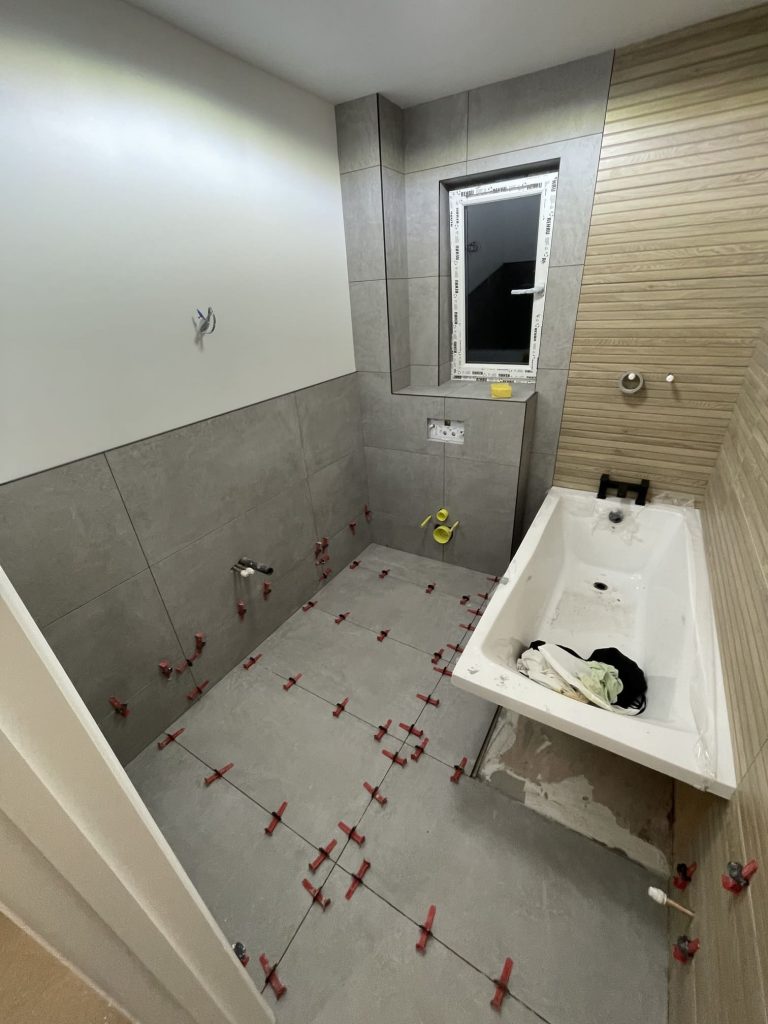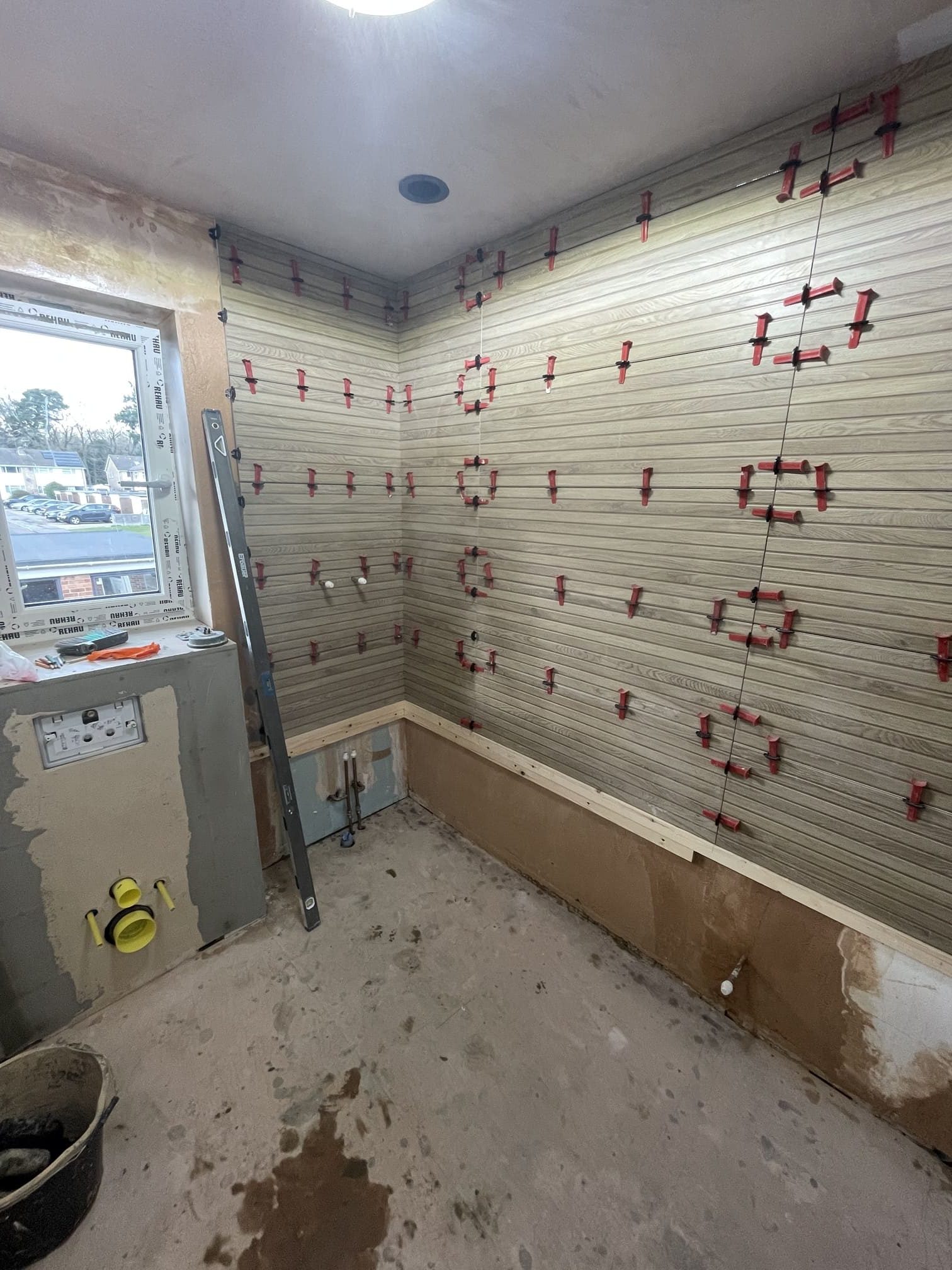
When planning a bathroom renovation, homeowners often focus heavily on the aesthetics—choosing the perfect porcelain tiles, sleek brassware, or a statement freestanding bath. However, the true hallmark of a high-quality installation lies hidden beneath the surface. Proper waterproofing, universally referred to in the UK construction trade as “tanking,” is the absolute foundation of any wet zone.
Whether you are dealing with a classic Victorian terrace with suspended timber floors or a modern build with solid concrete screed, failing to implement an adequate waterproof barrier in wet rooms and shower enclosures is a direct route to structural degradation, dampness, and costly repairs. Water will always find a path through porous grout and microscopic cracks.
In professional building practice, there are two primary systems used to create a watertight seal before tiling begins. Both are highly effective, but they behave differently depending on the substrate. Here is an in-depth comparison of the two most commonly applied solutions.
1. Liquid Waterproofing Membranes (Liquid Tanking)
Liquid tanking systems consist of a viscous, polymer-based compound (often acrylic or SBR-based) that cures to form a seamless, highly flexible, rubber-like skin over your walls and floors.
The Application Process:
-
Preparation: The substrate (whether moisture-resistant plasterboard, cement board, or render) must be entirely dust-free and primed.
-
Reinforcement: Before the main liquid application, critical junctions—such as internal corners, floor-to-wall joints, and the areas where pipes protrude (first fix penetrations)—must be reinforced with specialized, flexible rubber tanking tape and pipe collars.
-
Coating: The liquid compound is then applied using a roller or a wide brush. Industry standard dictates a minimum of two coats. Crucially, the second coat is applied at a 90-degree angle to the first (cross-directional) to ensure absolute, pinhole-free coverage.
-
Curing Time: The system requires a chemical curing process. Tilers typically need to wait between 12 to 24 hours, depending on humidity and temperature, before applying tile adhesive.
Where it Excels: Liquid membranes are incredibly versatile. Because they are painted on, they perfectly mold to complex bathroom layouts, awkward alcoves, built-in niches, and irregular architectural features. They are an excellent choice for solid masonry walls and concrete floors where structural movement is minimal.
2. Waterproof Matting (Sheet Membranes)
Sheet membranes are pre-formed rolls of advanced composite materials. They typically feature a waterproof polyethylene core sandwiched between layers of non-woven fleece, which allows the tile adhesive to create a strong mechanical bond.
The Application Process:
-
Installation: Unlike liquid, which is painted on, sheet membranes are physically embedded into a freshly troweled bed of flexible tile adhesive (usually a C2F classification) directly onto the substrate.
-
Pressing and Sealing: The tiler uses a flat trowel or a float to press the matting firmly into the adhesive, expelling all air pockets.
-
Jointing: The weakest points of any sheet system are the seams. Wherever two sheets meet, they must overlap or be joined edge-to-edge and sealed with dedicated waterproof jointing tape and a sealing compound.
Where it Excels: Waterproof matting goes beyond just stopping water; it often provides vital decoupling properties. In UK properties featuring suspended timber floors, micro-movements and deflections in the floor joists are inevitable. Matting helps to absorb these lateral stresses, preventing the energy from transferring to the rigid tiled surface above and causing grout to crack. Furthermore, it offers rapid progress—once the joints are sealed, tiling can often commence almost immediately, making it ideal for time-sensitive projects.
The Professional Verdict: Which is the Right Choice?
Both liquid membranes and waterproof matting provide an impenetrable moisture barrier when installed strictly to the manufacturer’s guidelines. In elite construction practice, the key is not declaring one technology universally “better” than the other. Instead, an experienced contractor will evaluate the specific environment.
A suspended timber floor might dictate a decoupling sheet membrane to manage deflection, while a shower enclosure with multiple recessed shelves might be better served by the seamless conformity of a liquid system. Often, the best results come from combining both methods in the same room.
If you are planning an upgrade and want peace of mind knowing that the unseen structural details are executed to the highest industry standards, explore our comprehensive approach to property transformations here: Bathroom Renovation Reading