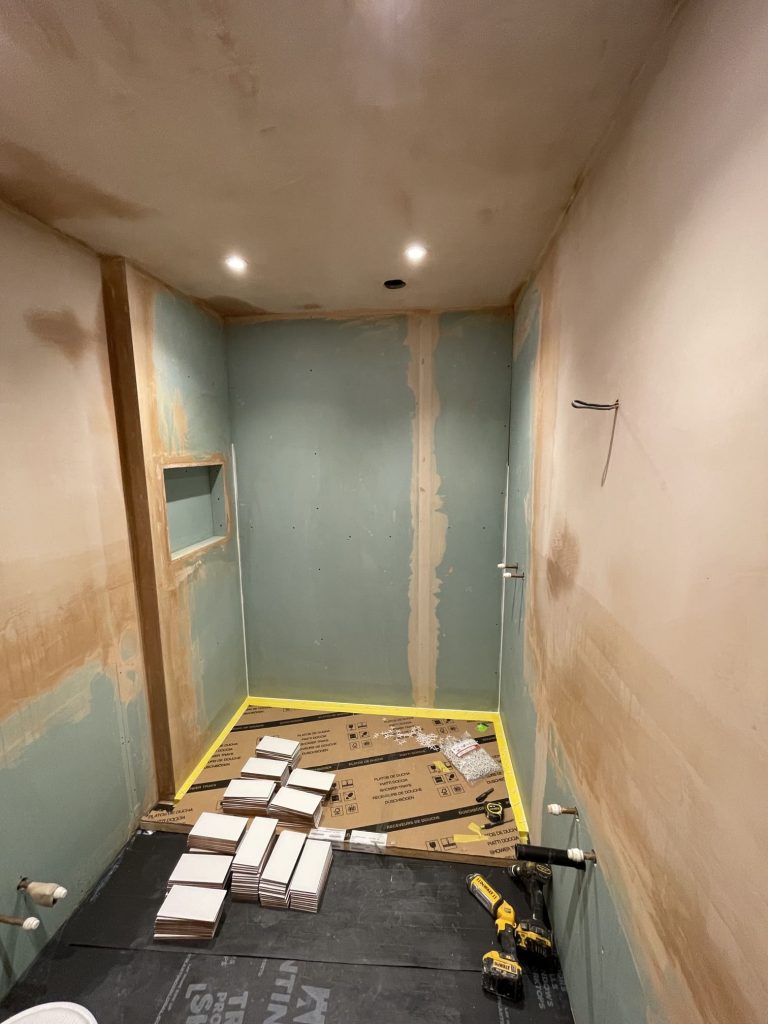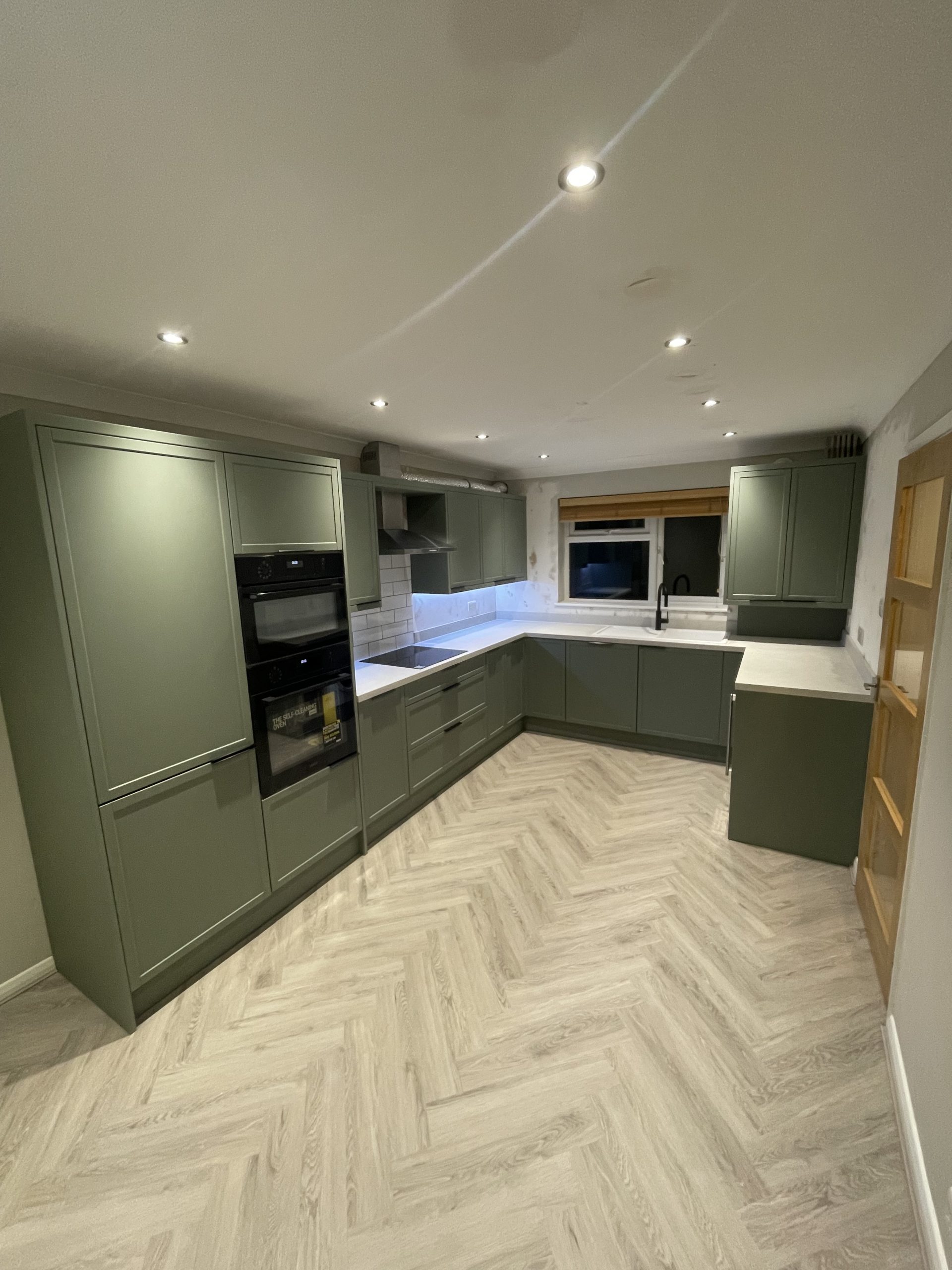
The most dangerous element in an older house is rarely a sagging ceiling or a cracked brick. It is the flawlessly plastered, freshly painted wall deliberately concealing the decay behind it. When embarking on a home renovation in Berkshire, property owners frequently fall victim to the modern “flipping” mentality—the belief that a coat of Farrow & Ball and new laminate flooring can cure decades of infrastructural neglect.
What often surprises buyers of Victorian terraces in Reading or Edwardian semi-detached homes in Wokingham is the true condition of the underlying fabric. Decades of quick fixes, poorly executed DIY projects, and shifting building standards create a hidden domino effect. Fixing one room superficially without addressing the bones of the property guarantees a much larger bill down the line. We regularly strip back these fast-tracked renovations only to find a catalogue of hazards waiting to trigger structural failure.
The Cosmetic Trap: When Fresh Paint Masks Failing Bones
Property television shows have institutionalized a dangerous narrative: that refurbishing a house is primarily a decorative exercise. The reality of working with the local Berkshire housing stock tells a starkly different story. Many properties built before 1930 feature solid brick walls with no cavity, originally designed to “breathe” through open fireplaces and suspended timber floors.
When previous owners have sealed these houses tight with modern non-breathable plasters, blocked up air bricks, and laid concrete over original sub-floors, moisture becomes trapped. The result is interstitial condensation. A wall might look perfectly smooth upon purchase, but beneath the gypsum, dampness is quietly eroding the mortar and attacking adjacent timber. Paying for premium decorative finishes over a compromised substrate is essentially throwing money into a damp hole. The structural integrity must be validated before a single paintbrush is lifted.
The Kitchen Pipeline: Unearthing Decades of DIY Electrical and Plumbing Sins
Kitchens are the undisputed epicentre of hidden home disasters. Because cabinets hide up to fifty percent of the wall space, they serve as the perfect screen for substandard electrical and plumbing work. Pulling out an old fitted kitchen often reveals a terrifying archaeological dig of past regulations.
Our team routinely uncovers overloaded ring mains from the 1980s, capped-off lead pipes weeping slowly into floorboards, and extractor fans venting directly into wall cavities rather than outside. These are not minor inconveniences; they are severe fire and water hazards. You cannot simply bolt modern, high-draw appliances onto a compromised electrical grid. This explains why a genuinely professional Internal Link: Kitchen Installations process never begins with measuring for cabinets. It starts with stripping the space back to its structural shell, ensuring the electrical load capacity is safe, and entirely re-routing plumbing networks to handle modern water pressure without stressing antique joints.
Silent Rot: The Structural Price of Bad Bathroom Tanking
Water is relentlessly patient. A microscopic pinhole leak behind a shower tray or poorly applied grout will quietly destroy a timber joist over five years without showing a single sign on the ceiling below until it is too late.
During the late 90s and early 2000s, it became incredibly popular to install heavy, large-format tiles and power showers into older properties. Unfortunately, the concept of proper wet-room tanking (complete waterproofing of the substrate) was largely ignored by budget fitters. We see the consequences of this daily. Water tracks down behind the plasterboard, rotting the timber stud walls and compromising the structural floor joists beneath the bath. By the time a homeowner notices a spongy floor tile, the damage requires replacing major timber elements. An expert Internal Link: Bathroom Renovations project demands total waterproofing of the wet zones before any aesthetic decisions are made, guaranteeing that the heavy ceramic weight is supported by dry, sound timber.
Breaking the Domino Effect with Sound Engineering
The ultimate fantasy for many buyers of older Berkshire properties is creating a broken-plan or open-plan living space. Knocking through the wall between the kitchen and dining room seems straightforward until the reality of structural loads becomes apparent.
In properties over a century old, even seemingly minor internal walls often provide lateral support to the entire building structure. Removing them without exact calculations and the insertion of precisely rated steel RSJ beams shifts the weight load unpredictably. The irony is that saving money by skipping structural engineer drawings often leads to catastrophic cracking in the rooms above, requiring thousands of pounds in remedial work. Any significant alteration affecting load-bearing elements must comply strictly with UK Building Regulations, requiring local authority building control sign-off. Investing heavily in Internal Link: Structural Renovations upfront is the only reliable insurance policy for the expensive finishes applied later.
Frequently Asked Questions
Does bad plumbing cause structural damage in brick houses?
Yes. Chronic, slow leaks from hidden plumbing can saturate masonry, leading to spalling bricks, blown plaster, and the widespread onset of wet rot or dry rot in any connecting timber joists.
Should I strip a room back to brick before installing a new kitchen?
If the property is over fifty years old and the current plaster sounds hollow when tapped, or if there is any sign of dampness, stripping back to brick is highly recommended to assess the integrity of the walls and upgrade hidden services.
How can I tell if a period property in Berkshire has hidden damp?
Look beyond the fresh paint. Check for a musty smell in enclosed spaces, newly installed overly-thick skirting boards (often used to hide rotting plaster bases), and inspect the exterior ground level to see if it breaches the original damp proof course.
Do I need Building Control approval to remove a chimney breast?
Absolutely. Removing a chimney breast on the ground floor removes the support for the masonry stack above. A structural engineer must design a steel support system (gallows brackets or an RSJ) which must be inspected and approved by Building Control.
Why do original Victorian joists fail in modern bathrooms?
Victorian floor joists were designed to carry the weight of a freestanding cast-iron tub and a person, resting on floorboards. They were not calculated to bear the dead weight of modern underfloor heating screed, thick waterproof boarding, and heavy stone tiles, especially if they have been weakened by decades of minor water ingress.
The Reality Check: Risk vs. Professional Execution
Evaluating the true cost of a renovation means looking past the showroom price of fixtures and fittings. Attempting to install a £15,000 kitchen over failing 1970s plaster and dangerous wiring will ultimately cost twice as much when the infrastructure fails and the new units have to be ripped out to fix the source.
When comparing a cosmetic flip to a structurally sound approach, the differences lie entirely in the preparation:
-
Initial Focus: A superficial flip prioritizes paint, flooring, and cabinet fronts. A professional refurbishment demands electrical testing, verifying joist integrity, and checking plumbing pressure before aesthetic work begins.
-
Handling Hidden Damp: Budget contractors will simply cover mold with fresh silicone or a coat of stain-blocker. True renovators trace the source of the water ingress and apply full waterproof tanking.
-
Wall Removal: Cowboy builders take down walls by eye and guess the required steel size. Structural experts rely on engineered calculations signed off by local authority building control.
-
Long-Term Financial Impact: The cheap option carries an extremely high future cost when remedial tear-downs become necessary. Securing the bones of the house first keeps the budget predictable and the property safe over the decades.
Securing the structural integrity and hidden services of your property guarantees that the money spent on high-end finishes actually adds long-term value. Before committing to a colour scheme or ordering bespoke cabinetry, ensure the skeleton of your house is ready to support it.