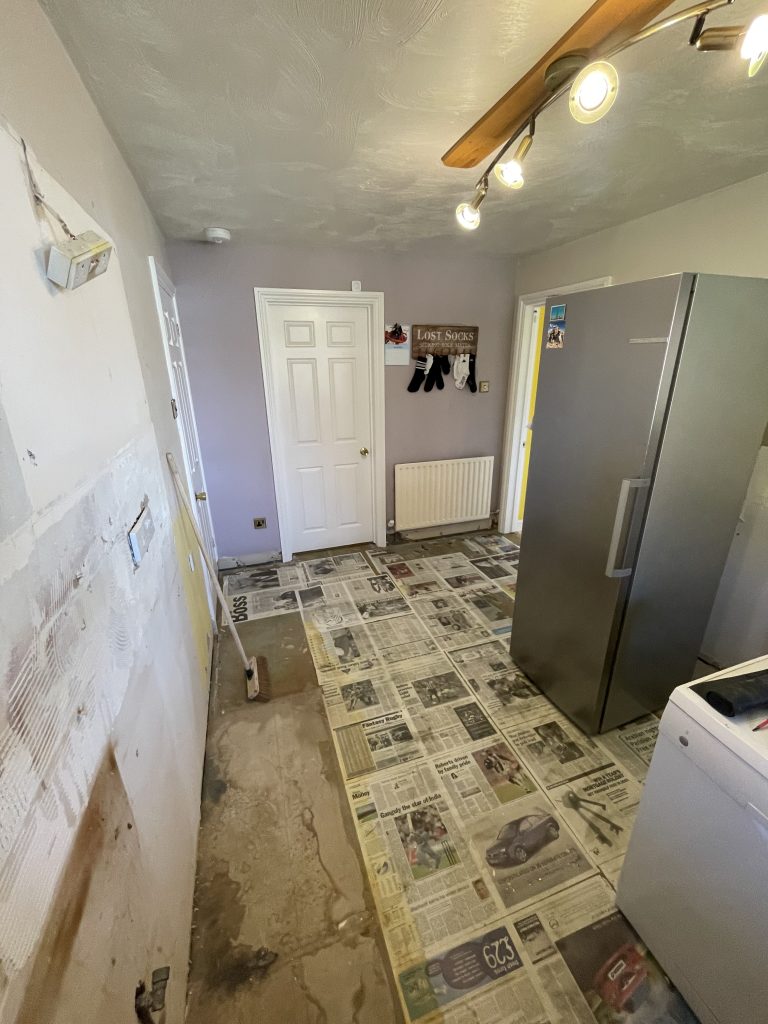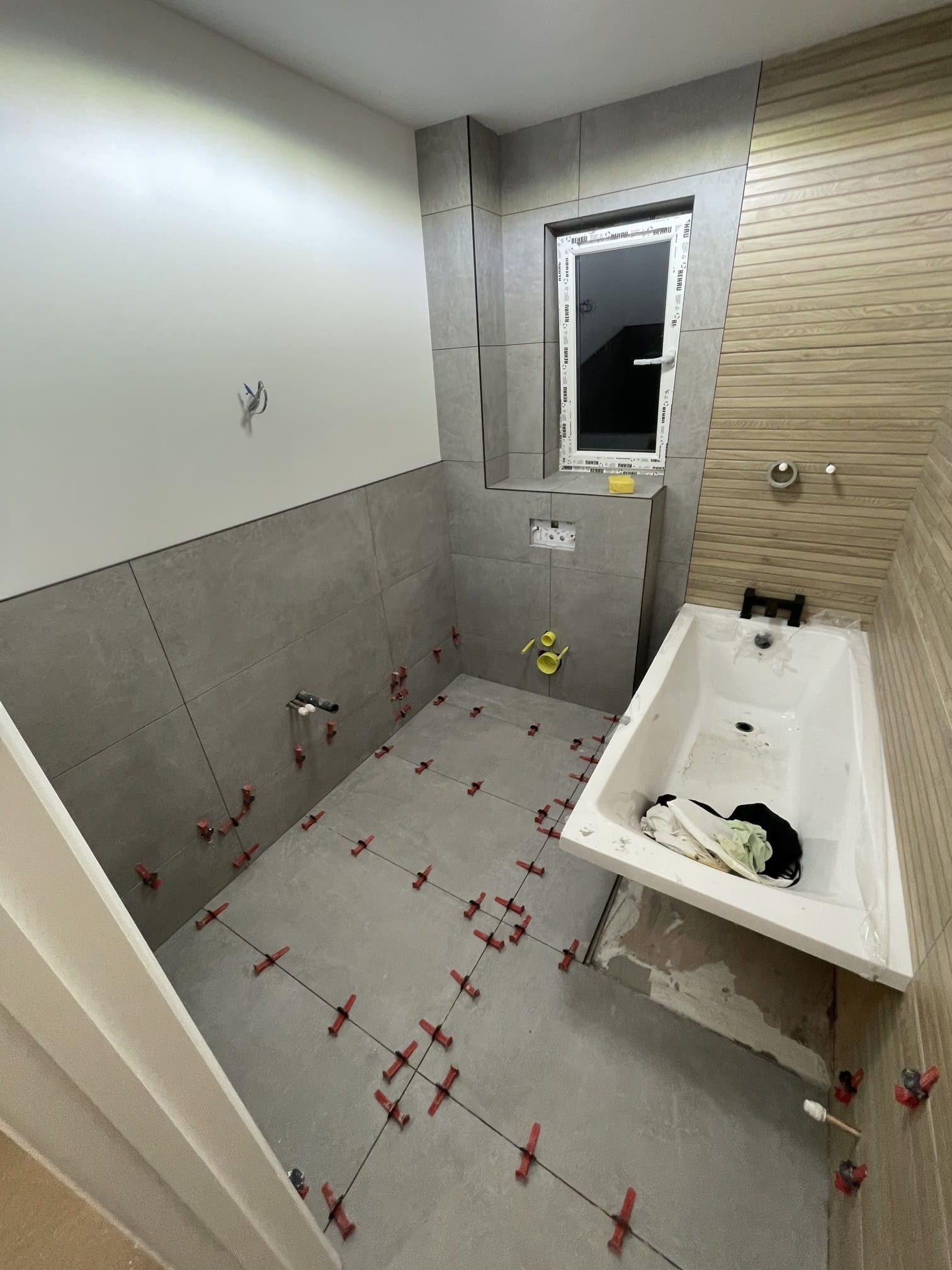
The decision to renovate a bathroom often starts with a single leaking tap or an outdated suite, but in the diverse property landscape of Berkshire, it quickly evolves into a complex architectural puzzle. Whether you are modernizing a Victorian terrace near Reading West or updating a contemporary apartment in the town centre, the difference between a superficial “refresh” and a high-caliber installation lies in the technical precision beneath the surface. A bathroom is the most hardworking room in any home, demanding a seamless marriage of aesthetics and rigorous engineering.
Navigating the Complexities of a Berkshire Bathroom Renovation
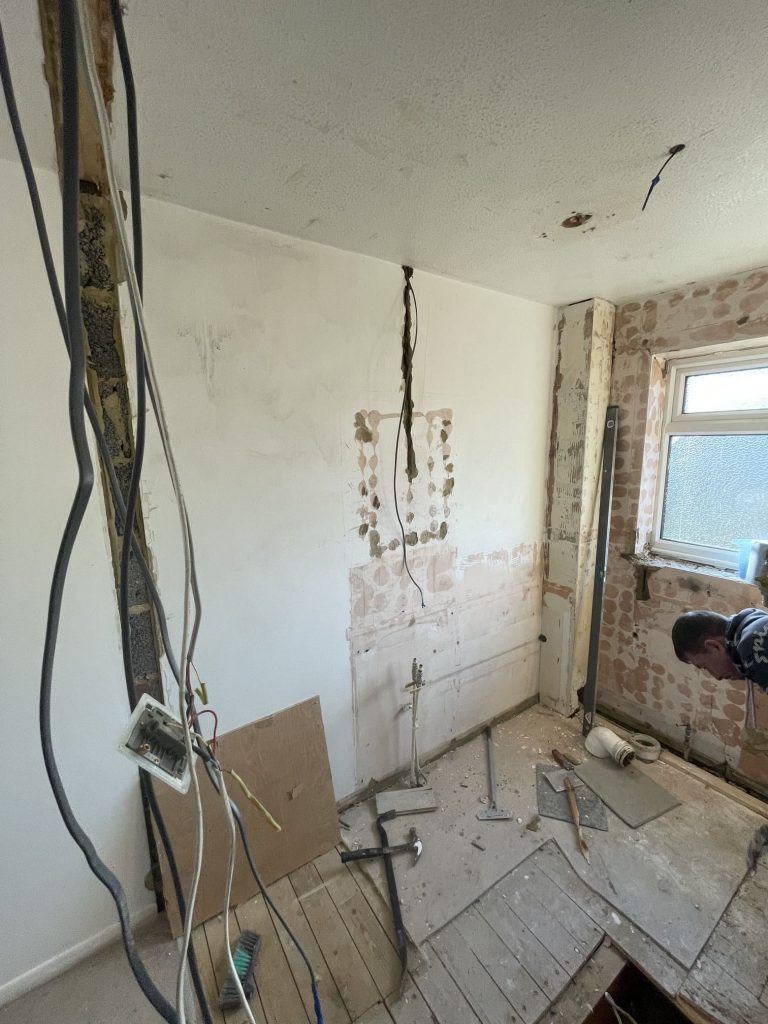
Every successful project begins long before the first tile is laid. In Reading, where housing stock ranges from heritage brickwork to steel-framed new builds, the structural integrity of your floor joists and the capacity of your existing plumbing system are the first points of interrogation. Homeowners often underestimate the “hidden” phase: the strip-back. Removing decades-old pipework and addressing historical damp issues is not just a recommendation; it is a necessity for longevity.
A professional approach prioritizes the layout efficiency, ensuring that the movement of waste pipes and water inlets adheres to UK building regulations while maximizing the footprint of the room. This stage is where the vision meets reality, transforming a cramped space into a functional sanctuary through clever spatial planning.
Why Professional Installation Trumps the DIY Approach
While the rise of home improvement tutorials might suggest otherwise, a bathroom renovation in Reading requires a multidisciplinary skill set that spans carpentry, advanced plumbing, and precision tiling. One of the most critical elements often overlooked by amateurs is “tanking”—the process of creating a waterproof seal behind the tiles. Without professional-grade waterproofing, even the most expensive porcelain tiles cannot prevent moisture from seeping into the building fabric, leading to costly structural repairs.
Furthermore, integrating modern fixtures like digital showers or underfloor heating requires certified electrical expertise. A professional team ensures that all installations are not only beautiful but also fully compliant with Part P electrical safety standards, providing you with the necessary certification for future property valuations.
Tailoring Your Space: From Victorian Terraces to Modern Apartments
Reading’s unique architectural mix requires a versatile design vocabulary. In older properties, the challenge often involves working with uneven walls and restricted drainage routes. Here, bespoke solutions—such as slimline vanity units or custom-built shower enclosures—allow for a high-end finish without compromising the building’s character.
Conversely, modern Berkshire homes often benefit from “wet room” configurations and wall-hung sanitaryware, which create an illusion of space and simplify maintenance. The goal is to select materials—be it natural stone, quartz, or high-density ceramics—that resonate with the property’s era while providing the durability required for daily use.
Selecting the Right Local Partner for Your Project
Choosing a contractor is perhaps the most significant variable in the success of your home improvement. A reputable local installer offers more than just labor; they provide a logistical safety net. This includes managing waste disposal, sourcing high-quality materials at trade prices, and coordinating the various trades to ensure the project stays on schedule.
When evaluating a partner, look for transparency in their quoting process. A detailed breakdown that accounts for both the “unseen” structural work and the final fixtures prevents the common pitfall of escalating costs. In the competitive Reading property market, a professionally installed bathroom is not just a personal luxury—it is a strategic investment that significantly boosts the marketability of your home.
Frequently Asked Questions
How long does a typical bathroom installation take in Reading?
A standard full renovation usually takes between 10 to 15 working days. This timeframe accounts for the necessary curing times for waterproofing and adhesive, as well as the sequential coordination of plumbing and electrical work.
Do I need planning permission for a bathroom renovation?
In most cases, planning permission is not required for internal bathroom work. However, if your property is a Listed Building or if you are planning an extension to house the new bathroom, you must consult Reading Borough Council’s planning department.
What is the difference between a refresh and a full renovation?
A refresh involves cosmetic changes like replacing a vanity unit or regrouting. A full renovation involves stripping the room to the studs, replacing plumbing and electrics, and reconfiguring the layout for better performance and longevity.
Can I change the layout of my existing bathroom?
Yes, though it depends on the location of your soil stack (the main waste pipe). A professional installer can often relocate toilets and showers by using raised floors or macerator pumps if gravity-fed drainage is not an option.