Buying a renovation project in Reading is a high-stakes game of “spot the defect.” In areas like RG1 (Central), RG4 (Caversham), or RG30 (Tilehurst), Victorian and Edwardian houses dominate the market. They are beautiful, full of character, and offer immense potential, but they were built using methods that don’t always play well with modern living standards.
If you’re looking at a property that seems “priced to sell,” it’s time to stop looking at the floorboards and start looking for the structural cracks. Before you sign that contract in Berkshire, here is your essential investigative checklist.
1. The Tale of the Tape: Cracks, Settlement, and Lintel Failure
In the Thames Valley, the soil is notoriously clay-heavy, meaning it expands and contracts significantly with the seasons. While most old Reading terraces have some degree of historic settlement, you need to identify active movement.
-
The Investigation: Look closely above windows and doors. If you see diagonal cracks stepping through the brickwork (stepped cracking), it often indicates a failed lintel or foundation movement.
-
The Red Flags: Check if the internal doors stick or if the floors feel like they are “running away” from you. A slope in the floor of a first-floor bedroom often points to sagging joists or, worse, a structural wall below that was removed years ago without proper steel support.
-
The Pro Tip: If a wall has been moved, ask for the Building Regulations Completion Certificate. No certificate? You are looking at a potential structural renovation nightmare that could cost thousands to rectify later.
2. Damp, Drainage, and the “Reading Smell”
Reading’s geography—positioned between the Thames and the Kennet—means groundwater is a constant neighbor. Many older properties suffer from moisture issues that are often masked by a quick coat of paint before a viewing.
-
The Investigation: Look at the “external ground level.” If the pavement outside is less than two bricks (150mm) below the internal floor line, the damp-proof course (DPC) is likely being “bridged.” This leads to rising damp that no dehumidifier can fix.
-
The Hidden Trap: Be wary of freshly painted lower walls. If only the bottom meter of a room has been repainted, the seller might be hiding hygroscopic salt staining. Check the corners for black mold—a sign of poor ventilation common in uninsulated Berkshire brickwork.
3. The “Hidden” Systems: The Invisible Budget Killers
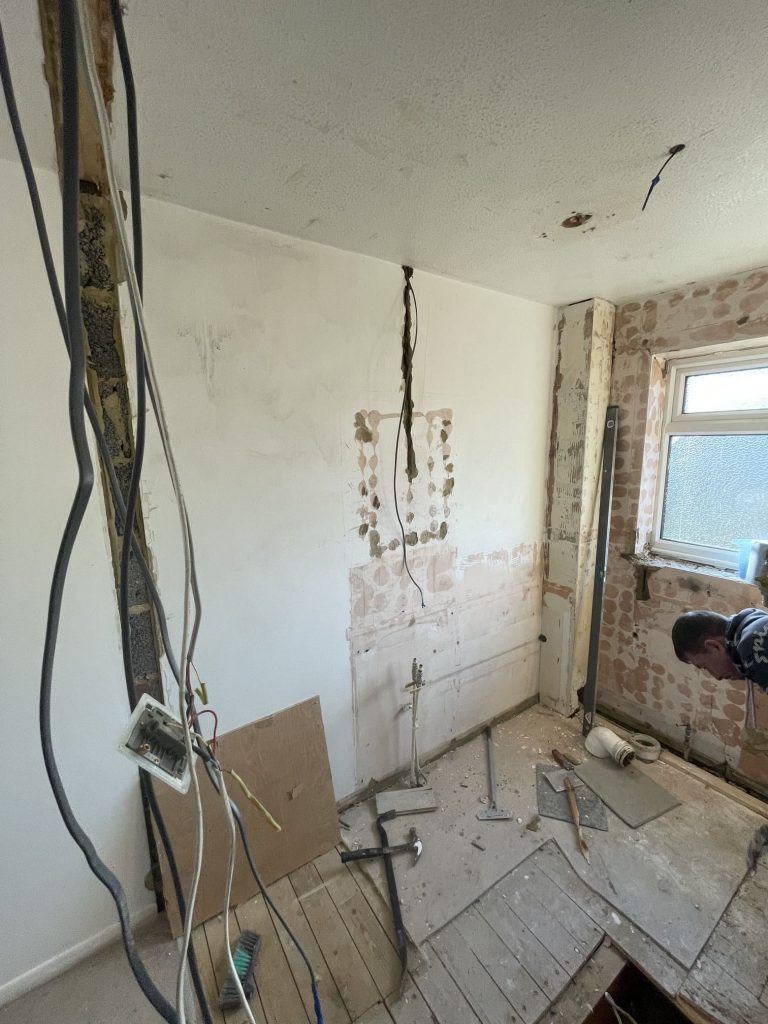
A “fixer-upper” often looks like it just needs a new kitchen, but the wiring and plumbing are the real issues that you can’t see behind the plaster.
-
The Fuse Board Test: Look for the consumer unit. If you see a wooden-backed fuse box or green residue leaking from switches, the house needs a full rewire. In 2026, with the push for home offices and EV chargers, an old system simply won’t cope.
-
Pipework: Look under the kitchen sink. If you see lead pipes (grey, dull metal that’s soft to the touch), you’ll need to replace the entire supply line to the street to meet modern health standards. This is a frequent issue in the older streets of West Reading.
4. Roof Integrity and the “Light Test”
The roof is your home’s first line of defense. In Berkshire’s rainy climate, a failing roof can cause massive internal damage before you even move in.
-
From the Street: Use binoculars to check the “ridge line” (the very top of the roof). If it’s wavy or sagging like a hammock, the roof timbers may be failing under the weight of the tiles.
-
From the Loft: Go into the attic during daylight. If you can see pinpricks of light through the tiles, you don’t just have a leak—you lack a modern protective membrane. Replacing a roof in the South East is a major undertaking that should be negotiated off the asking price.
5. Planning Permissions and “Article 4” Restrictions
Reading Borough Council has several Conservation Areas (such as Russell Street, Castle Hill, or Eldon Square) where “Permitted Development” rights have been restricted via Article 4 Directions.
-
The Trap: You might plan to add a modern dormer window or swap old timber frames for uPVC, only to find the council forbids it.
-
The Investigation: Always check the Reading Borough Council Planning Portal for the property’s history. If there are previous “refused” applications for extensions, it’s a clear sign that your grand designs might face significant opposition.
FAQ: Reading Property Quick Check
Should I buy a house with Japanese Knotweed in Reading? Only with a professional management plan. It is common near railway lines and waterways in Reading and can make getting a mortgage nearly impossible without a specialist treatment bond.
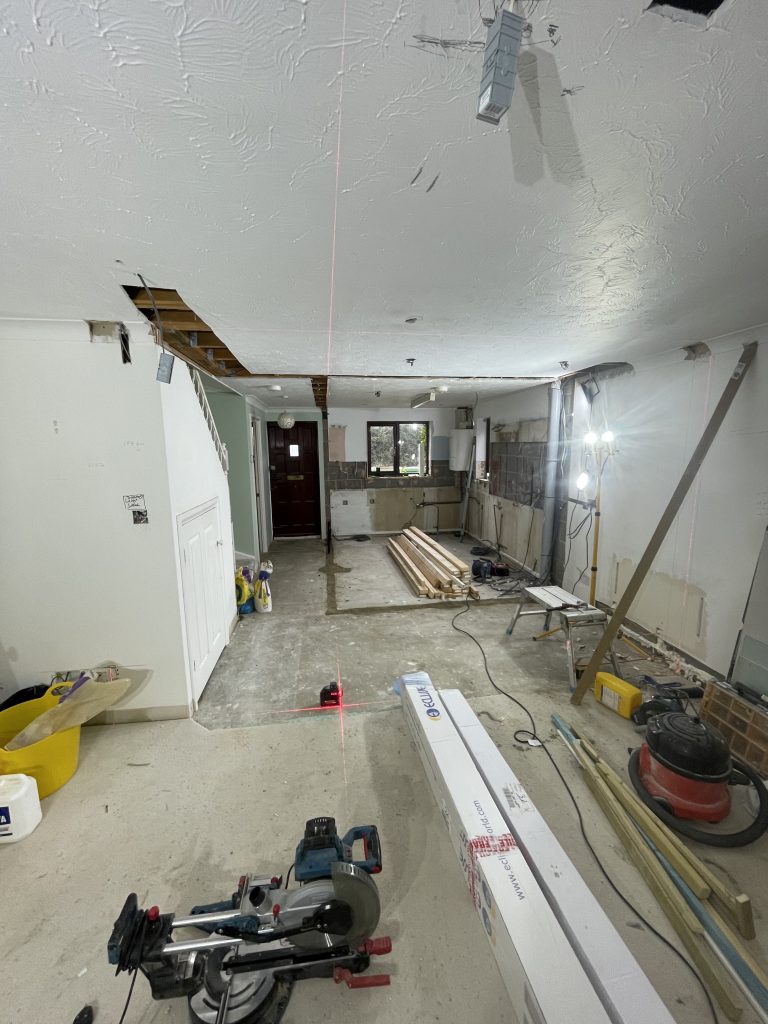
How do I know if an “open plan” layout is safe? Look for signs of “ceiling sag.” If the ceiling above a wide opening isn’t perfectly flat, the steel beam might be undersized or, in some DIY cases, non-existent.
Is a standard survey enough? A Level 3 Building Survey is the gold standard for any fixer-upper in Berkshire. I also highly recommend a CCTV Drain Survey, as old clay pipes in the area are frequently compromised by root intrusion.
Conclusion: Ready to Renovate?
Buying a renovation project is a calculated risk. If the structure is sound and the “bones” of the house are good, you’ve found a winner. If you’ve already secured your property and are ready to start the transformation, ensuring your structural renovations are handled by professionals is the best way to protect your investment.