Embarking on major building works Reading homeowners often find themselves at a crossroads between ambitious vision and the practical complexities of construction. A successful renovation isn’t merely about the final coat of paint; it is a meticulously choreographed sequence of structural adjustments, regulatory compliance, and precision engineering. Understanding the anatomy of a professional build is the first step toward transforming a residential property into a high-performance living space.
Structural Building Services: The Foundation of Quality in Local Renovation
Every significant modification begins with what remains invisible to the naked eye. In the context of Reading’s diverse architectural landscape—ranging from Victorian terraces near the town centre to modern suburban villas in Earley—structural building services are paramount. Whether you are removing a load-bearing wall to create an open-plan kitchen or extending your footprint, the intervention must be backed by rigorous engineering.
Local ground conditions in the Thames Valley can vary, necessitating bespoke foundation solutions. Professional contractors prioritize the marriage of architectural intent with safety, ensuring that every steel beam (RSJ) and concrete pour aligns with the latest Building Control standards. This technical rigour prevents future settlement issues and ensures the property’s value remains protected for decades.
Residential Construction Berkshire: Beyond the Blueprint
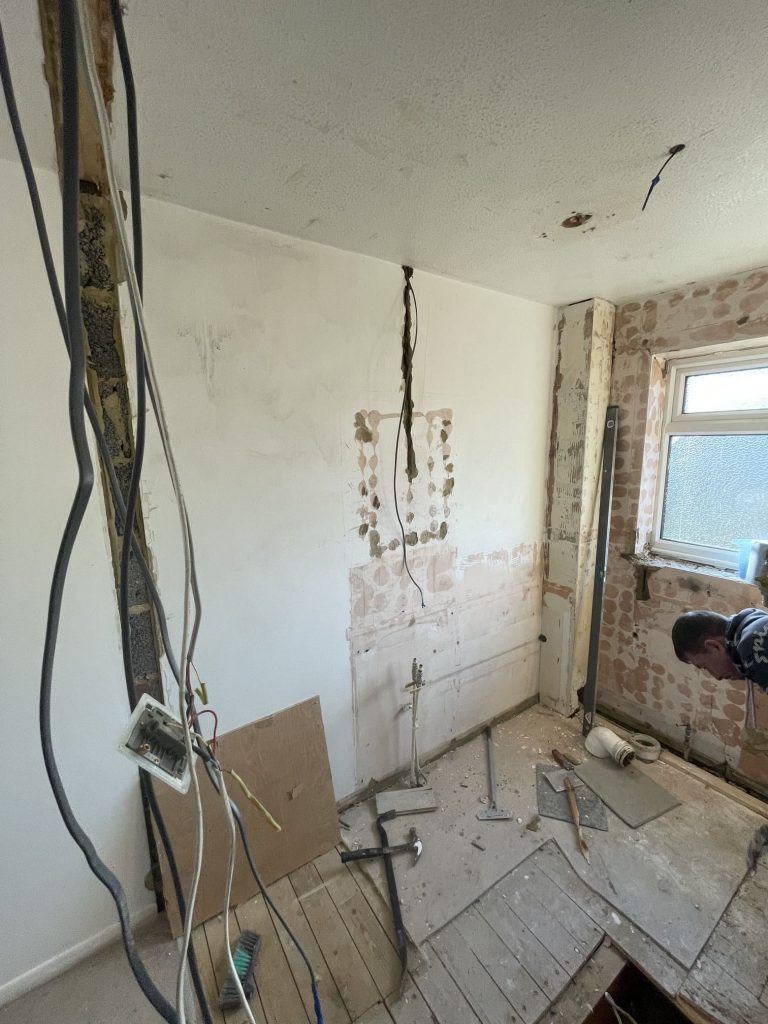
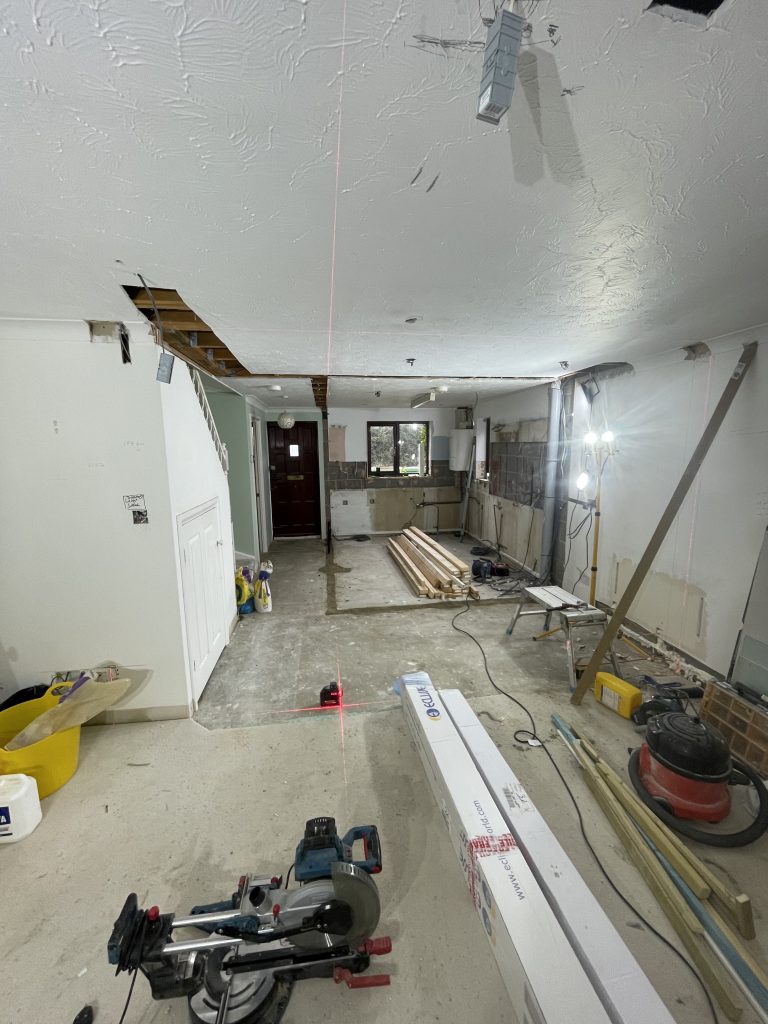
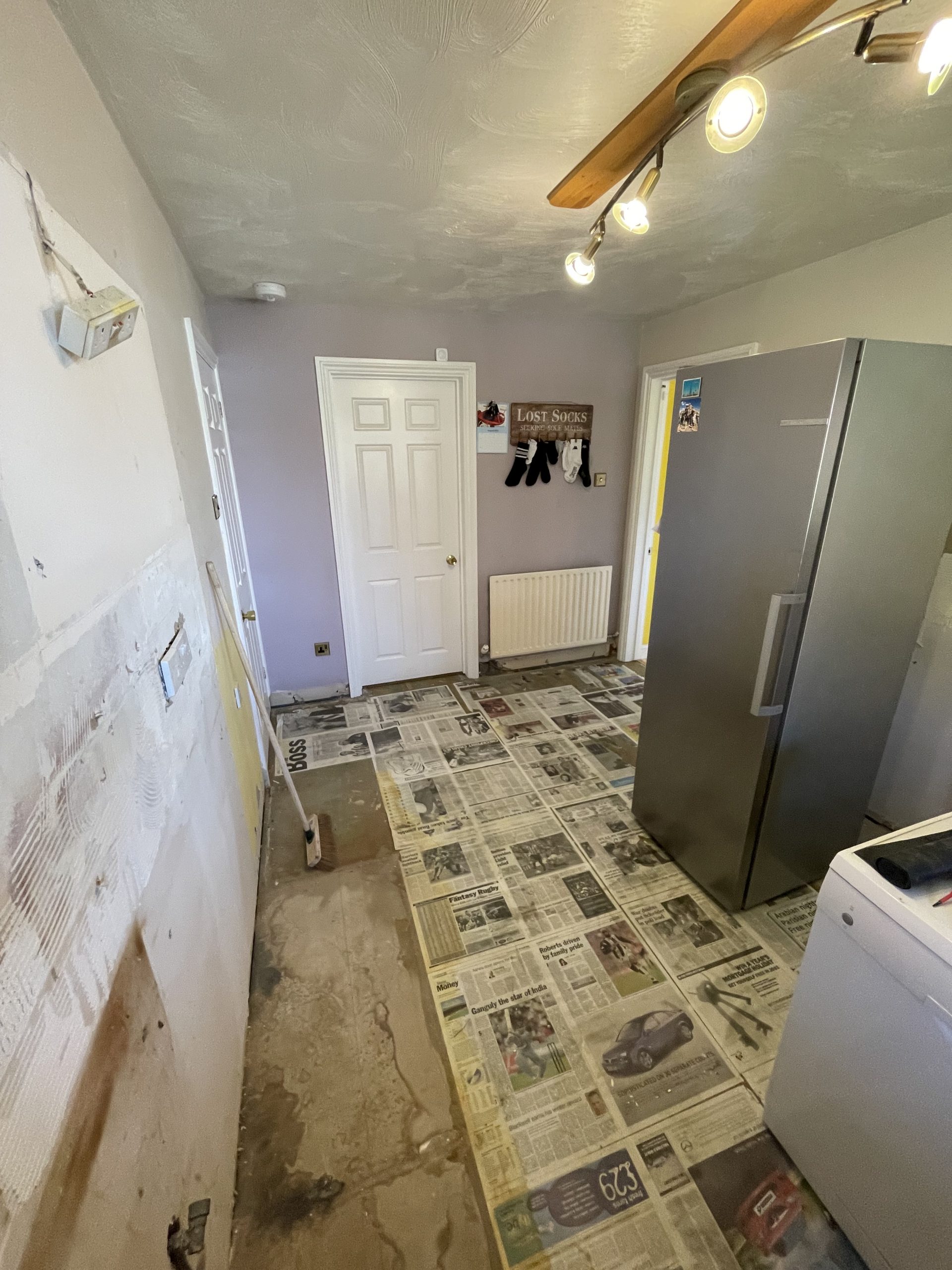
The transition from paper to reality requires a phased approach that minimises disruption while maximising output. High-quality residential construction Berkshire projects typically follow a strict lifecycle. It begins with site preparation and demolition, where the “bones” of the building are exposed and reinforced.
Following the structural phase, the project moves into ‘First Fix’—the installation of essential infrastructure such as plumbing runs and electrical wiring. What distinguishes elite contractors is the attention to detail during this stage; ensuring that cable routes and pipework are optimised for both current performance and future maintenance. As the project evolves into the ‘Second Fix’ and finishing stages, the focus shifts to the aesthetic and functional elements that define the home’s character.
Expert Site Management Reading: Why Oversight Dictates Success
The most common pitfall in domestic building projects is not a lack of vision, but a failure in logistics. Managing building works in a bustling town like Reading requires expert site management Reading to navigate tight access, waste removal, and material procurement.
A transparent timeline is essential. It coordinates the arrival of specialist trades—from bricklayers to Gas Safe engineers—ensuring no “dead time” on site. Crucially, effective management also handles the liaison with Reading Borough Council for mandatory inspections, ensuring that every milestone is signed off by building control officers, providing the homeowner with essential completion certificates.
Ensuring Longevity with Professional Building Works Reading
In 2026, building excellence is synonymous with sustainability and thermal efficiency. Modern building regulations, particularly regarding insulation and ventilation (Part L and Part F), are no longer optional extras; they are the baseline for any reputable provider of building works Reading.
Utilising high-grade materials and advanced construction techniques doesn’t just satisfy legal requirements—it significantly reduces the long-term operational costs of the home. From airtightness in extensions to the integration of smart home technology, the focus of modern property maintenance Reading has shifted toward creating “future-proof” environments. Choosing a partner who understands these evolving standards ensures that your investment stands the test of time, both structurally and financially.
FAQ: Common Questions About Building Works in Reading
Do all building works in Reading require planning permission? Not necessarily. Many internal renovations and small extensions fall under ‘Permitted Development Rights’. However, structural changes almost always require Building Regulations approval, even if full planning permission isn’t needed.
How long does a typical residential construction project take? Timelines vary significantly based on scope. A standard internal reconfiguration might take 4-6 weeks, while a large-scale extension can span 3-5 months. A detailed project schedule is provided during the consultation phase to manage expectations.
How do you handle building waste and site safety? Professional site management includes a comprehensive waste management plan, typically involving licensed skip services and recycling protocols. Health and Safety (HSE) standards are strictly maintained to protect both the workforce and the residents.
How do I ensure my building works stay within budget? Budget security comes from detailed “Stage One” planning. By finalizing all material specifications and structural designs before the first brick is laid, we minimize the risk of “unforeseen costs” and ensure financial transparency throughout the build.