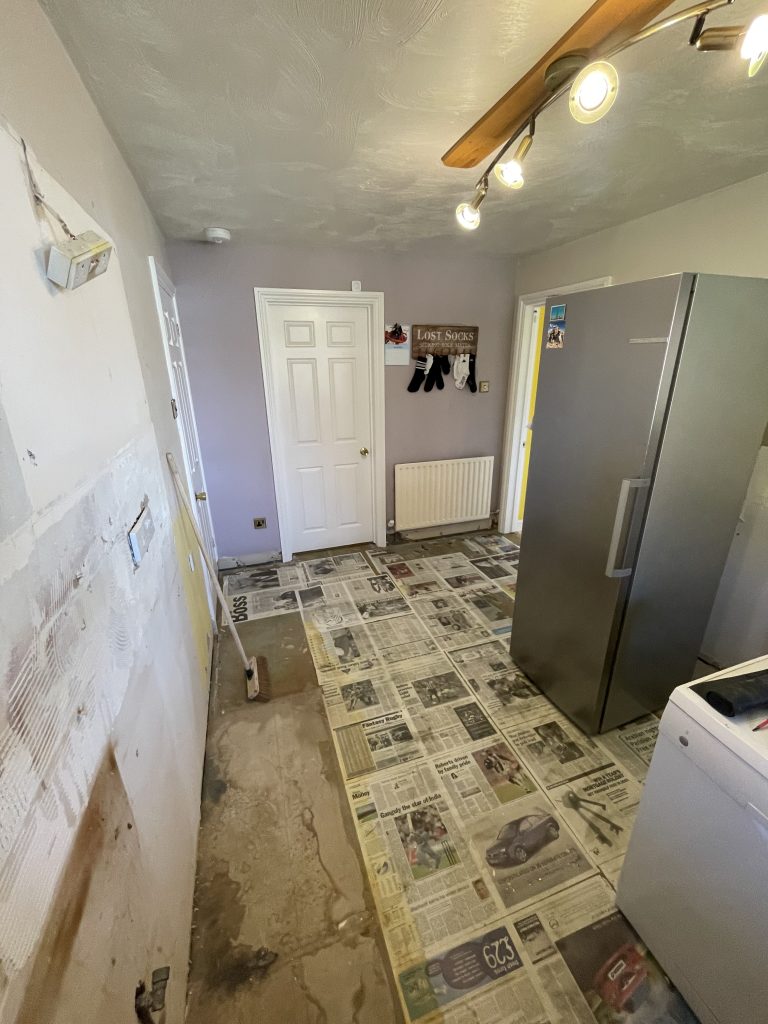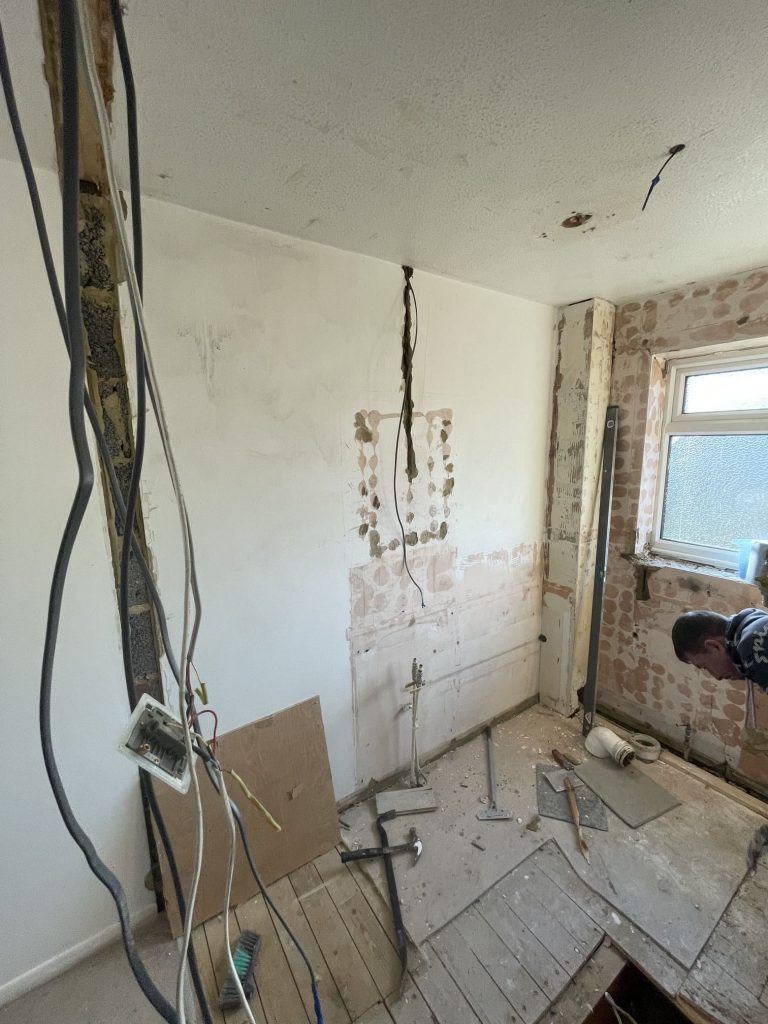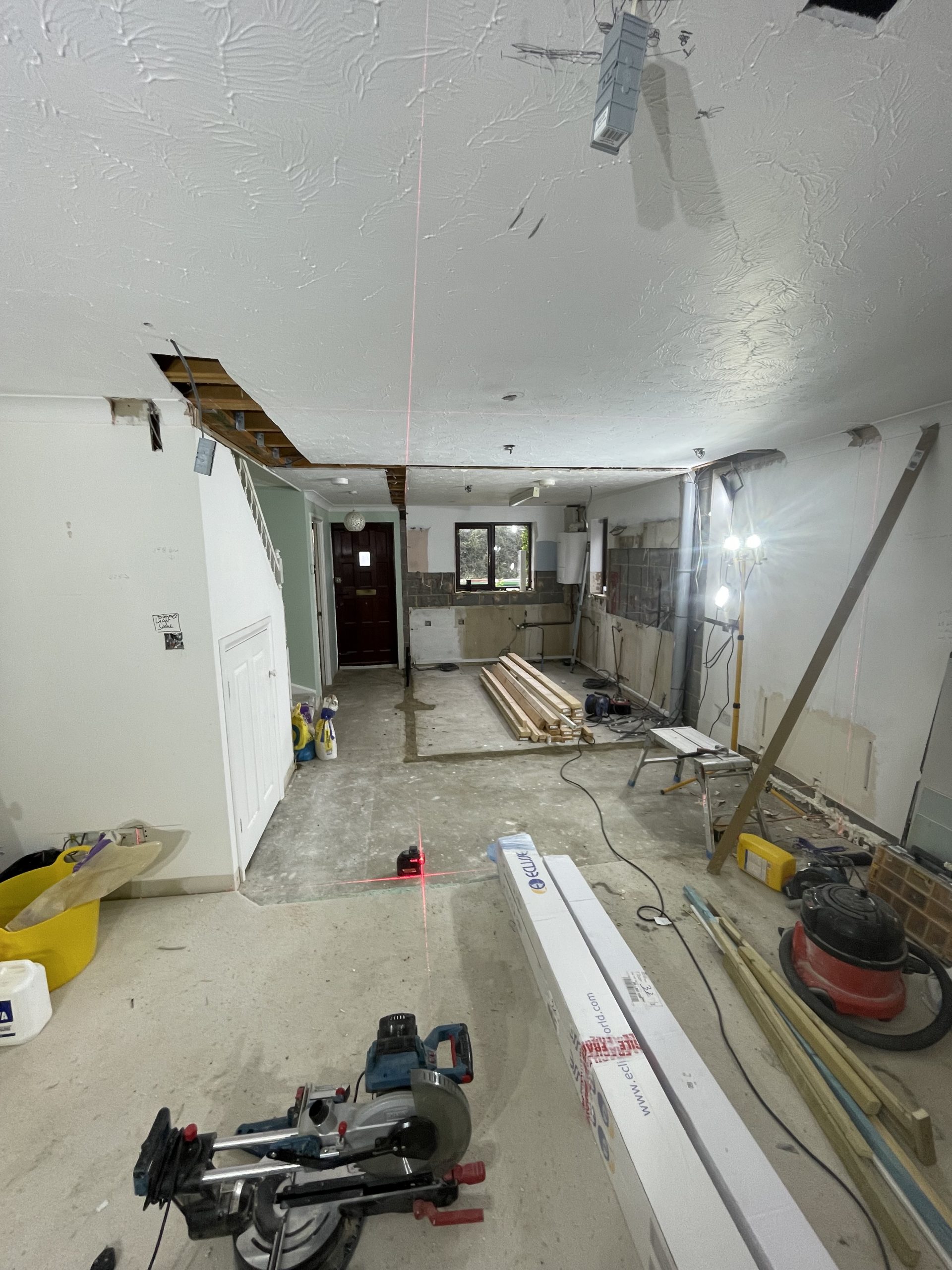
Buying a classic red-brick terrace in Caversham or a detached family home in Earley often starts with a specific dream. You see the high ceilings, the period character, and the potential for a sprawling open-plan living space. However, the gap between “buying a house” and “creating a home” is bridged by something far more complex than a coat of paint. In the world of property renovation in Reading, the most successful projects aren’t defined by the final decor, but by the structural integrity established long before the first tile is laid.
What often surprises homeowners is how much these older Berkshire properties hide behind their Victorian or Edwardian facades. Converting a compartmentalized, draughty house into a modern sanctuary requires a deep understanding of how local buildings breathe, move, and stand.
Decoding the Potential of Berkshire’s Period Properties
Reading’s architectural landscape is a blend of history and rapid modernization. When you walk down the streets of RG1 or RG4, you see rows of houses that have stood for over a century. These buildings were designed for a different era—one of small, dark rooms and coal fires. Today’s homeowners crave light, flow, and “zones” for working and living.
The real turning point in any house refurbishment in Reading comes when you stop looking at the walls as obstacles and start seeing them as opportunities. Reconfiguring internal layouts isn’t just about aesthetics; it’s about spatial planning that respects the original craftsmanship while introducing 21st-century functionality. This is where the expertise of general builders in Reading becomes invaluable, as they navigate the nuances of local ground conditions and traditional brickwork.
The Invisible Backbone: Why Structural Integrity Dictates Design
Every ambitious kitchen island or master ensuite depends on what lies beneath the floorboards and behind the plaster. This is the “invisible backbone” of your home. If you are planning to knock down a wall to connect your dining area to the garden, you aren’t just moving bricks; you are redistributing the weight of your entire life.
This explains why structural renovations are the most critical phase of any project. Integrating steel beams (RSJs) and ensuring proper load-bearing support isn’t a task for the faint-hearted. In Reading, where building regulations are strictly monitored by the Borough Council, getting the structural phase right is the difference between a seamless transformation and a costly legal headache. A professional approach ensures that your home isn’t just beautiful, but fundamentally sound for the next hundred years.
Navigating the Local Landscape: Building Standards in Reading
Choosing a partner for home maintenance in Reading or a full-scale remodel requires more than just a quote. It requires local intelligence. Berkshire properties often present unique challenges, from specific planning constraints in conservation areas to the clay-heavy soil that can affect foundations.
Working with local builders who understand these variables saves time and prevents the “budget creep” that plagues so many renovations. Whether it’s managing site surveys or coordinating with Building Control, professional project management ensures that the “messy middle” of a renovation—the dust, the noise, and the exposed joists—is handled with precision. It’s about building a relationship of trust where the homeowner feels informed, not overwhelmed.
The Multi-Stage Refurbishment Journey
A full house refurbishment in Reading is a marathon, not a sprint. It begins with the “first fix”—the heavy lifting where plumbing, wiring, and structural alterations take place. This is the skeleton of your project. Once the structural integrity is locked in, the “second fix” brings the vision to life, installing the fixtures and finishes that define your style.
Crucially, this journey must be holistic. You cannot view a kitchen installation or a bathroom remodel as isolated tasks. They are integral parts of a larger ecosystem. By focusing on a comprehensive refurbishment strategy, you ensure that every room speaks the same design language and meets the same high standards of craftsmanship. From the initial demolition to the final snagging list, the goal is a home that feels cohesive, solid, and uniquely yours.
Frequently Asked Questions
Do I need a structural engineer for my Reading home renovation?
If you are removing load-bearing walls, altering the roof, or extending the footprint of your property, a structural engineer is essential. They provide the calculations required for Building Control approval and ensure the safety of the design.
How long does a full house refurbishment in Reading typically take?
While every project varies, a comprehensive refurbishment of a three-bedroom house usually takes between 3 to 6 months. This timeline accounts for structural work, drying times, and high-quality finishing.
Can I stay in the house during a major structural renovation?
It is possible, but often challenging due to dust, noise, and the temporary loss of essential services like water or heating. For major structural changes, most homeowners find it more efficient to vacate for the most intensive weeks of the build.
What is the first step in planning a property renovation in Berkshire?
The first step is a professional site survey and a clear definition of your budget and goals. Understanding the structural limitations of your property early on prevents design plans that are impossible or too expensive to execute.