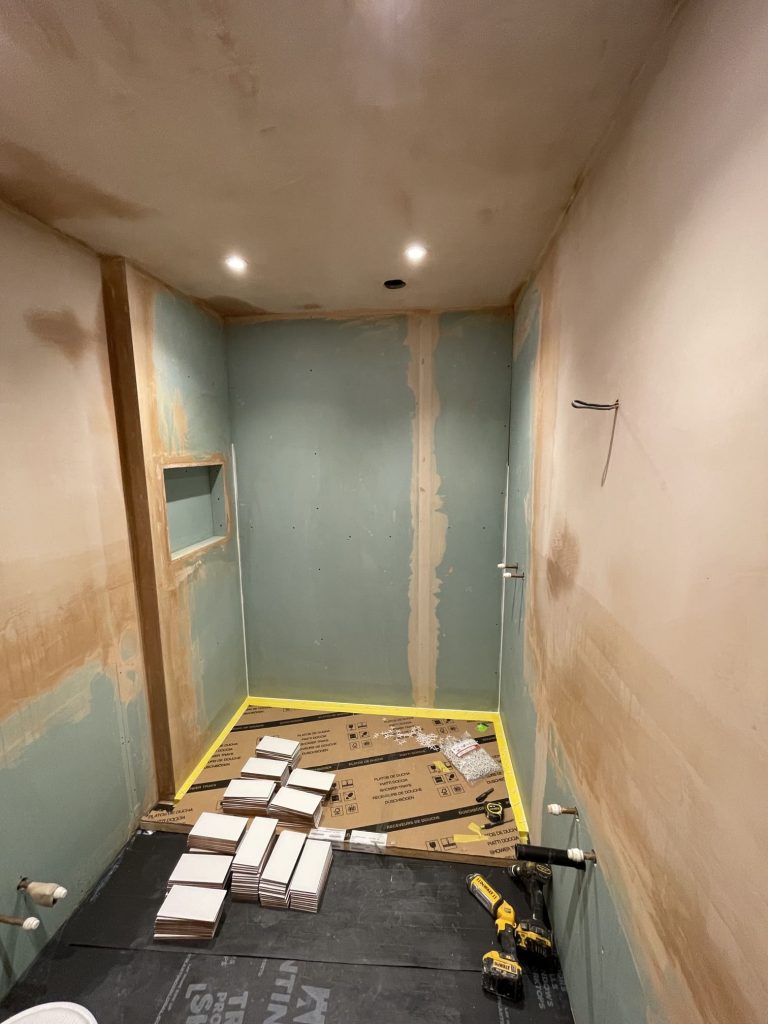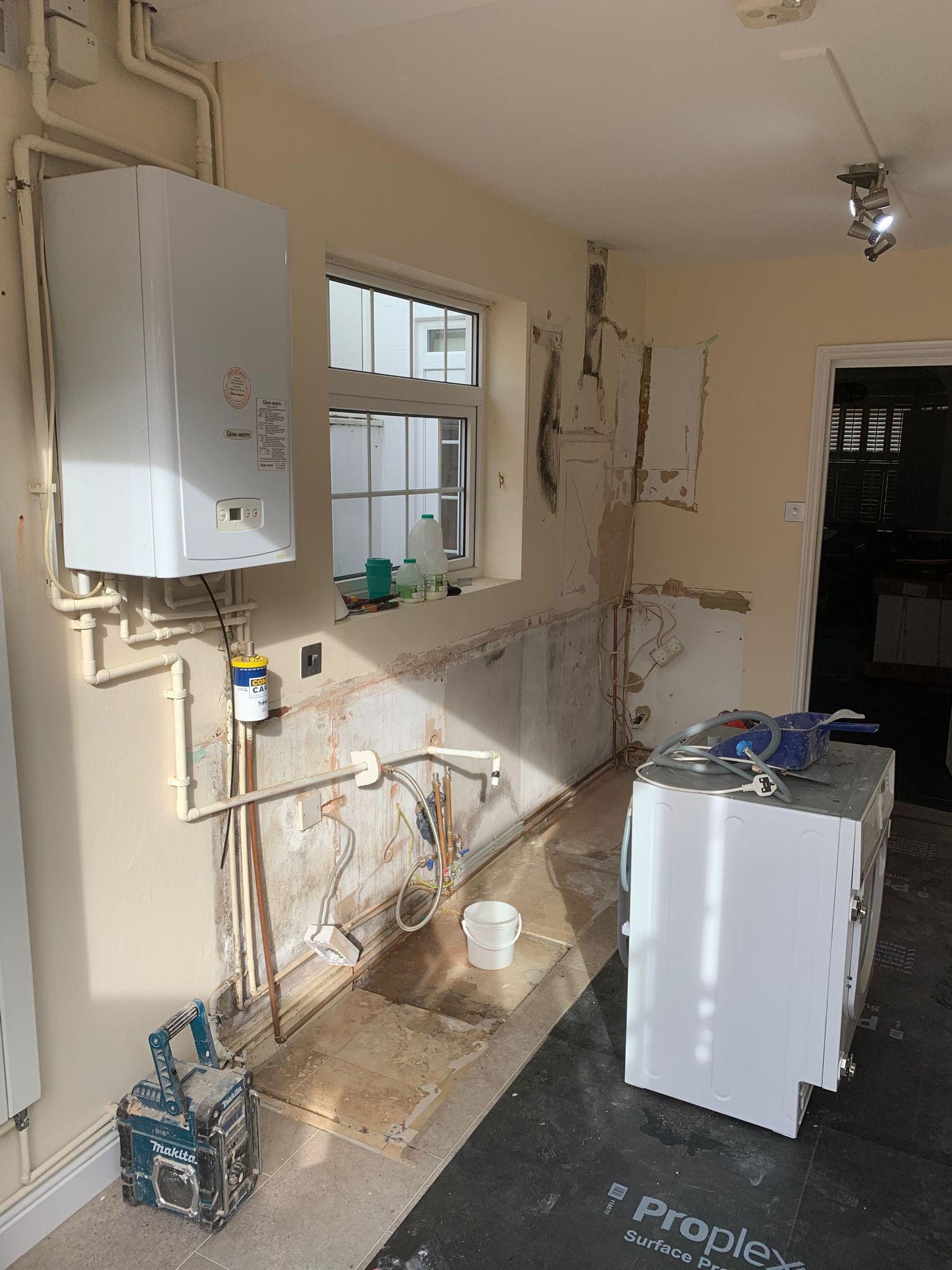
The keys were barely cold when the cracks started telling a different story. A couple we spoke with last year had bought a 1930s detached a short walk from Maidenhead station and wanted a straightforward home renovation: open up the back, refresh the kitchen, redecorate throughout, in by Christmas. What they had not budgeted for was a load-bearing spine wall, a section of perished joist under the bay, and a borough planning process that did not behave like the one their friends had described in Reading.
That gap, between what a Maidenhead home looks like it needs and what it actually demands, is where most renovation budgets quietly unravel. A home renovation in Maidenhead is rarely a cosmetic job once you scratch the surface, and the Royal Borough has its own way of doing things. After more than a decade and 500-plus projects across Berkshire, our team has learned to read the warning signs before the first wall comes down.
The Town That Changed Faster Than Its Houses
Maidenhead has spent the last few years reinventing itself. The arrival of the Elizabeth line turned a comfortable Thames-side commuter town into one of the fastest-moving property markets in the county, and the town centre regeneration has only added momentum. Buyers move quickly, often under sealed bids, and that pace carries a hidden cost: older houses change hands before anyone has properly understood what lies beneath the plaster.
We see the result on site every season. Properties bought at a premium, surveyed in a hurry, and inherited with decades of deferred maintenance. The house looked ready for a light refresh in the estate agent’s photographs. The reality, once the carpets lift and the ceilings come down, is usually a longer conversation.
Reading the Housing Stock: Villas, Metroland and Mock-Tudor
Maidenhead’s housing is not one thing, and that matters enormously for how a renovation is planned. The grander Victorian and Edwardian villas around Boyn Hill and Castle Hill carry high ceilings, lath-and-plaster, and original joinery worth protecting, but also lead pipework, single-skin rear additions, and chimney breasts that previous owners removed without thinking about the gallows brackets needed to support what was left above.
Then there is the 1930s expansion, the streets of bay-fronted semis and detached homes that filled in as the railway pulled London closer. These are sound, well-proportioned houses, but they were built for a different way of living. Compartmentalised rooms, narrow hallways, and solid floors that hide their own surprises. Opening them into the kind of kitchen-diner buyers now expect almost always means structural work, not just a sledgehammer and optimism.
The mock-Tudor and interwar detached stock on the town’s leafier fringes brings its own quirks, from rendered elevations that mask damp to roof structures never designed to carry a loft conversion. Knowing which era you are standing in tells us where to look first.
Why the Royal Borough Plays by Its Own Rules
Here is where Maidenhead trips up homeowners who assume Berkshire is Berkshire. The town sits within the Royal Borough of Windsor and Maidenhead, a separate planning authority with its own local plan, its own conservation areas, and its own appetite for detail. What sails through as permitted development elsewhere in the county can require a full application here, particularly inside the conservation areas covering parts of the town centre, Boyn Hill, and Castle Hill.
Article 4 directions can strip out permitted development rights street by street, which means the extension your neighbour built five years ago is not a reliable guide to what you can do today. Pockets of listed buildings raise the bar further, and the Thames frontage brings flood-risk considerations into any ground-floor or basement work. None of this is a reason to abandon a project. It is a reason to check the constraints before you commission a single drawing.
We always start by confirming a property’s position against the Planning Portal and the Royal Borough’s own local guidance, then build the design around what is genuinely achievable. Designing within the rules is far cheaper than redesigning after a refusal.
Where the Money Actually Goes, and Why Surprises Surface
The part of a Maidenhead renovation that catches people out is rarely the part they were excited about. Nobody loses sleep over the new kitchen units. The pressure comes from what holds the house up and keeps it dry.
In period stock, that means joist ends rotted where they bear into damp external walls, lintels that have dropped over original openings, and the steel beam, the RSJ, that a proper knock-through demands once a load-bearing wall comes out. In the 1930s houses, it is often outdated wiring, undersized foundations for a planned extension, and solid floors with no damp-proof membrane worth the name. Every project is different, which is exactly why we will not quote a figure off a photograph. A free, no-obligation home visit tells us more in an hour than any spreadsheet could.
What we can promise is that we surface these issues at survey stage, not halfway through, when disruption and cost both multiply. End-to-end project management exists precisely so that structural reality and design ambition are reconciled before the work starts, rather than argued over while you are living in a building site.
Managing a Renovation in a Commuter Town
Living through a renovation is hard enough without losing your commute to it. Maidenhead’s tighter villa plots and on-street parking restrictions make access and logistics a real part of the planning, not an afterthought. Skip permits, deliveries timed around the school-run traffic, and a single point of contact who actually answers the phone make the difference between a project that hums along and one that drifts.
This is where our structural alterations and whole-house reconfiguration work is built around managing the whole sequence, from initial structural survey to final handover, with one team accountable throughout. Period repairs, damp treatment, and the unglamorous building works and ongoing maintenance that keep an older home sound are folded into the same plan rather than chased through separate contractors. The same discipline we bring to working with a local planning authority in Newbury applies here, adapted to the Royal Borough’s particular expectations.
The aim is simple. On time, on budget, beyond expectations, with structural integrity and finish given equal weight.
FAQ
Do I need planning permission to renovate a home in Maidenhead?
It depends on the work and the location. Many internal alterations and modest extensions fall under permitted development, but Maidenhead’s conservation areas and Article 4 directions can remove those rights. We check your property’s specific position before any design work begins.
How do I know if my Maidenhead home is in a conservation area?
The Royal Borough of Windsor and Maidenhead publishes conservation area boundaries, which cover parts of the town centre, Boyn Hill, and Castle Hill among others. We confirm this as a first step, because it shapes what is achievable and what materials and detailing the council will expect.
Are 1930s Maidenhead houses good candidates for extending?
Generally yes. They tend to sit on generous plots with room to extend to the rear or side. The work usually involves structural alterations and updated foundations rather than cosmetic change, so a proper survey matters more than it first appears.
Do you cover the whole Royal Borough?
Yes. We work across Maidenhead and the wider Royal Borough, alongside Reading, Wokingham, Bracknell, Newbury, Windsor, and Henley-on-Thames.
Why won’t you give a price over the phone?
Because every older property hides a different set of conditions, and an honest figure depends on what the survey reveals. A free home visit lets us assess the space properly before we talk numbers.
Planning a renovation in Maidenhead or the wider Royal Borough?
Before you commit to a design, it pays to understand what your particular house and your particular street will allow. Call us on 07999 083028 or request a free, no-obligation consultation, and we will visit, assess the property, and walk you through what the work genuinely involves. We cover Maidenhead, Reading, Wokingham, Bracknell, Newbury, Windsor, and Henley-on-Thames.