Newbury gives itself away the moment you walk its town centre. The Georgian and early Victorian terraces along Northbrook Street and around the Wharf area were built for commerce, not commuters — solid construction, generous sash windows, and brickwork laid before cavity walls existed. Drive ten minutes south to Wash Common or Greenham and the housing stock shifts entirely: 1930s and post-war semis, engineered for different lives, different materials, and different budgets. Head further out and you are into farmhouses and rural conversions on the edge of the North Wessex Downs AONB.
For anyone planning a home renovation in Newbury, that variety is not merely interesting geography. It determines the survey findings, the scope of structural work, the planning officer you will be dealing with — and, often, how long the whole project takes.
After more than a decade of renovation projects across Berkshire, our team at Reading Renovations has developed a clear picture of what Newbury properties demand. It is rarely what clients expect when they first walk us through the door.
What Newbury’s Housing Stock Tells Us Before the Work Begins
The first thing we assess on any Newbury project is which of the town’s three distinct zones the property sits in — because the starting point shapes everything that follows.
Town-centre properties, particularly those built between 1780 and 1890, are solid brick construction with no original damp proof course, lime-based mortars, and either lath-and-plaster or early gypsum finishes. These buildings were designed to breathe. Sealed modern interventions — dense concrete screeds, non-breathable plasters, uPVC window replacements — frequently create moisture problems that surface years after the work was done. When we survey a Georgian or Victorian terrace in central Newbury, we are reading two centuries of accumulated decisions, not just the last owner’s cosmetic work.
Suburban properties in areas like Greenham, Shaw, and Speen are a different story. Typically 1930s to 1960s construction with cavity brick and older mortar mixes, these homes are structurally more forgiving but often carrying their own accumulation of half-completed improvements. Previous extension work without Building Regulations sign-off is something our team encounters regularly across this part of West Berkshire.
Rural properties on Newbury’s fringes — converted agricultural buildings, older farmhouses near Kingsclere or Highclere — introduce a third set of variables: rubble-stone or flint construction, lime-plastered internal walls, and potential listed building status that changes the scope of what is permissible before a single wall comes down.
Where Georgian Properties Concentrate the Risk
The hidden costs in a Georgian or early Victorian renovation rarely appear in the builder’s first quote. They appear in the investigation phase.
Lime mortar pointing that has been repointed in hard cement traps moisture against the original brickwork, creating internal damp that looks cosmetic but runs structural. Lath-and-plaster ceilings — often worth preserving — conceal timber joists that may have been compromised by decades of roof leaks or poorly installed services. Suspended timber floors, a staple of pre-1900 Newbury properties, require adequate sub-floor ventilation; block it off with a new tiled kitchen and floor movement becomes a problem within a few heating seasons.
This is the pattern the renovation traps period Berkshire properties commonly hide — and Newbury’s Georgian stock concentrates them across a compressed area of town where neighbouring properties share walls, drainage runs, and sometimes planning restrictions.
Sash window restoration adds another layer. In conservation areas of central Newbury, replacing original sash windows with standard modern double-glazed units is often not permitted — which means draught-proofing, secondary glazing, or specialist slim-profile double-glazed sashes, all carrying a premium over off-the-shelf replacements. Knowing this from the survey stage prevents the painful mid-project discovery that what the client budgeted for is not what the planning officer will approve.
West Berkshire Council: How Planning Works Differently Here
Newbury sits within West Berkshire, which means building control, planning applications, and conservation area decisions go through West Berkshire Council — not Reading Borough Council, and not Wokingham Borough Council. This is a practical point that matters when timelines are involved.
West Berkshire Council covers a large, predominantly rural district. The conservation areas in central Newbury are treated with genuine care, and applications that might pass routine scrutiny in a more urban authority receive fuller review here — particularly for properties near the Northbrook Street area or the Newbury Wharf conservation zone.
The North Wessex Downs National Landscape, one of the largest Areas of Outstanding Natural Beauty in England, begins close to Newbury’s southern edge. Properties in and around Highclere, Burghclere, or Kingsclere may carry additional designation considerations that affect what requires permission and what sits within permitted development.
Party Wall Act requirements are worth flagging early, too. Victorian and Georgian terraces in central Newbury share party walls that are often load-bearing in both directions. Any structural work — chimney breast removal, RSJ installation for open-plan reconfigurations, or new floor penetrations — requires a formal Party Wall Agreement with adjoining owners before work begins. Our team manages this process as part of our structural renovation work across Berkshire, but homeowners who approach budget contractors and skip this step regularly find themselves in expensive disputes mid-project.
From Terrace Refurbishment to Rural Conversion: The Scope We See in Newbury
The range of home renovation work we carry out in Newbury and wider West Berkshire falls into three broad categories, each with its own logic.
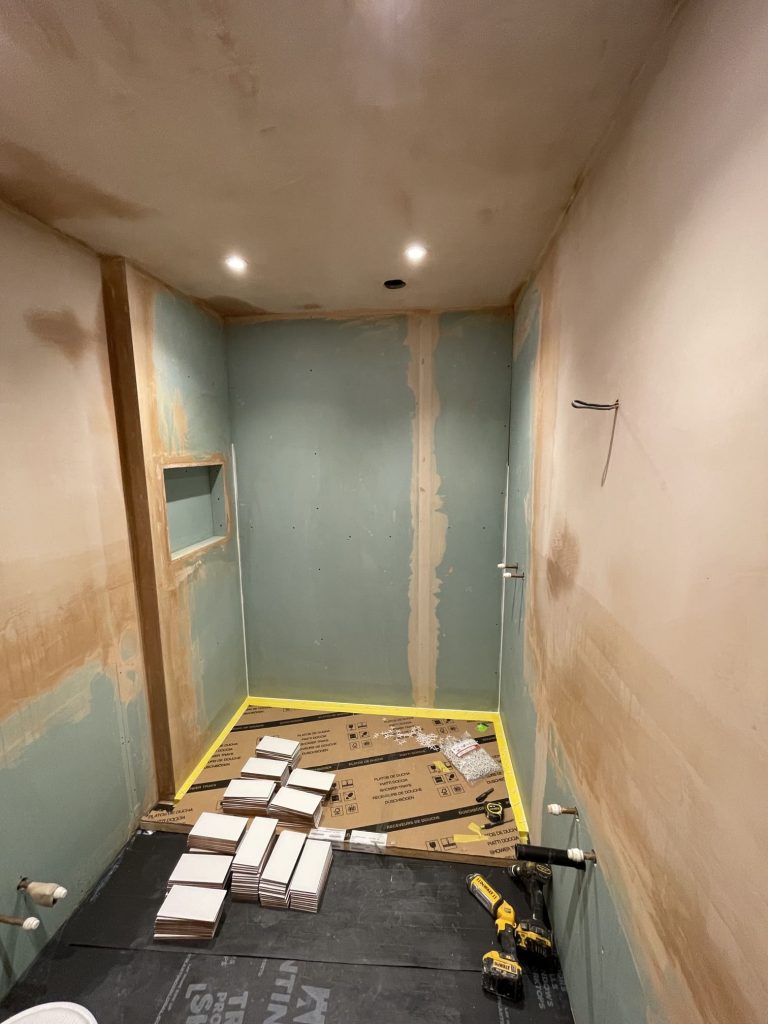
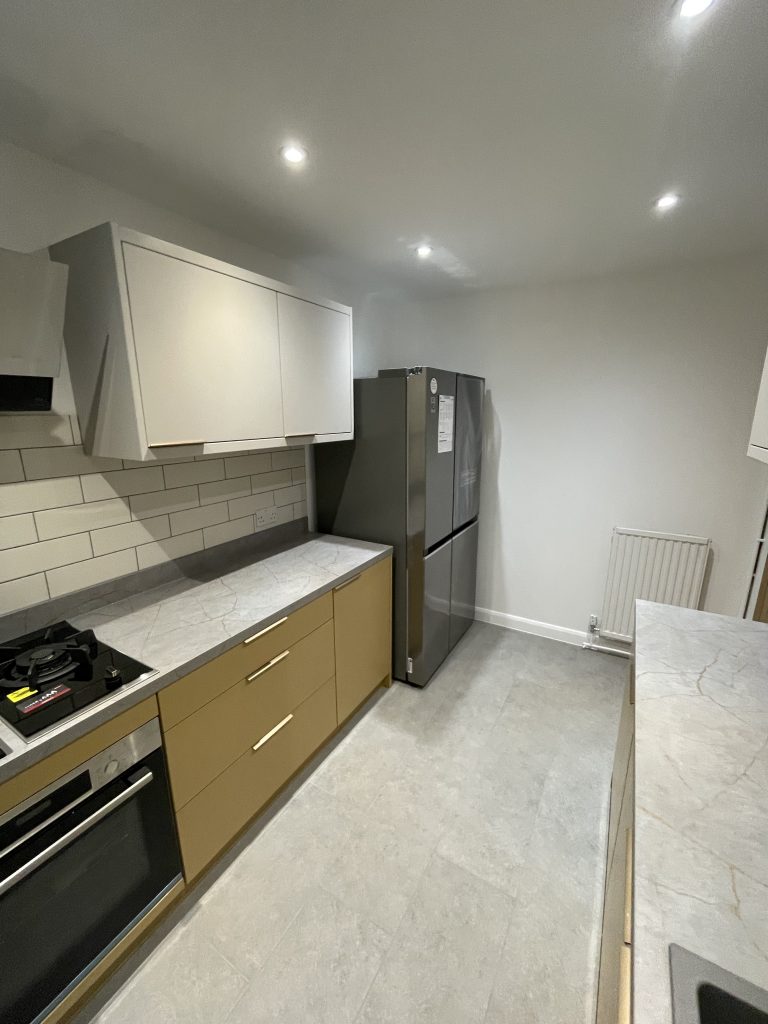
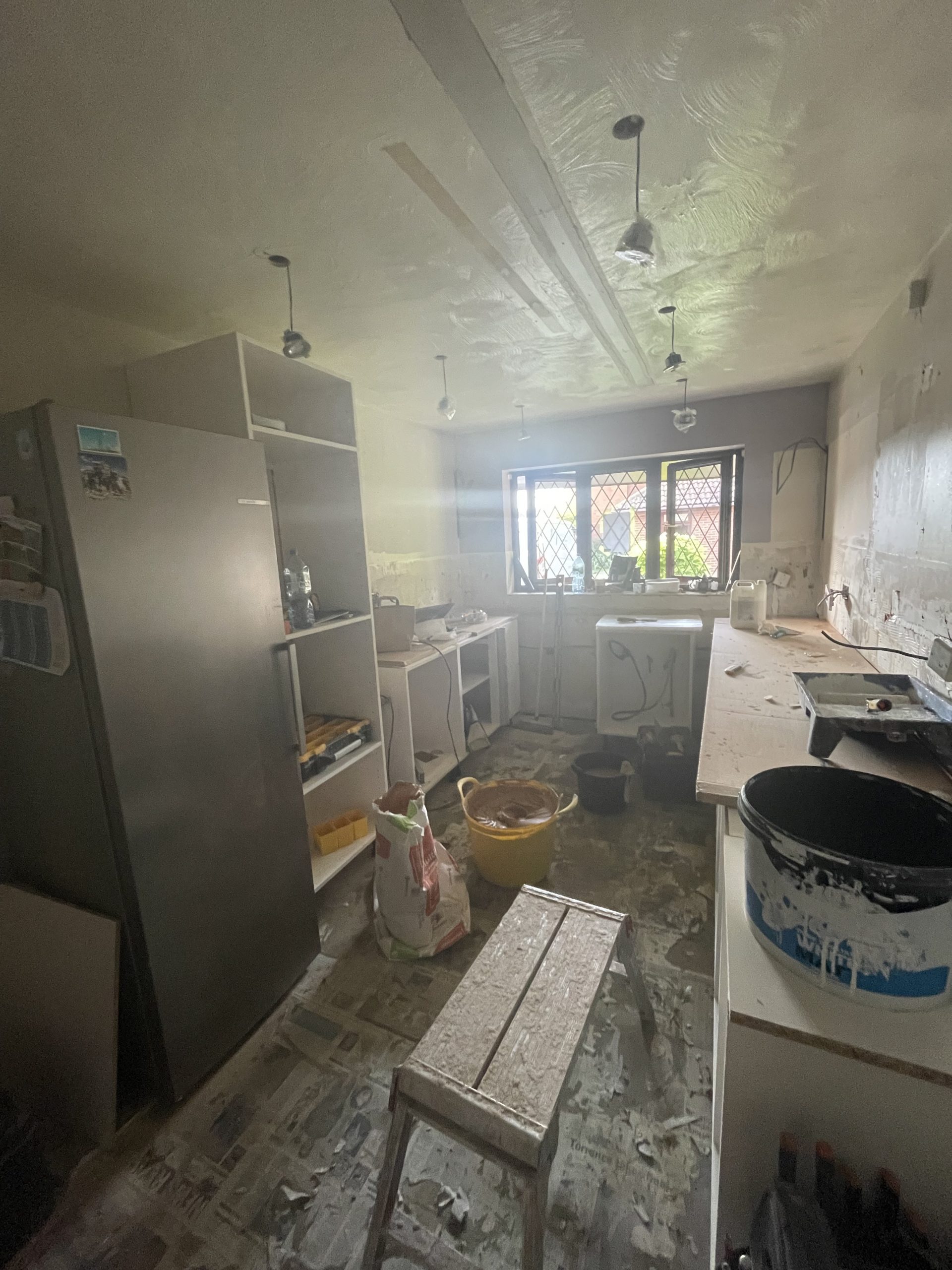
Full Victorian and Georgian terrace refurbishments in the town centre typically involve rewiring, replumbing, structural reconfiguration — usually removing internal walls for open-plan ground floors — full kitchen and bathroom renovation, and period feature restoration. These are 12 to 20-week build programmes at minimum, longer when planning submissions are required and the council’s response window extends the schedule.
Suburban semi extensions and reconfigurations in areas like Wash Common or Greenham tend to be faster and more predictable. Single-storey rear extensions, kitchen refits, and bathroom renovations in 1950s and 1960s properties are where we can give tighter timeline and cost estimates at the survey stage, because the variables are fewer and the building fabric is more consistent.
Rural and agricultural conversion projects near the Newbury fringe require the longest lead times. Structural surveys, possible listed building consent, specialist lime-work contractors, and the logistics of properties without mains gas or with private drainage all extend the programme. These are projects where the planning and preparation phase is often as long as the build itself.
Across all three, the principle is the same one we apply to Wokingham’s Edwardian housing stock and Bracknell’s post-war properties: understand what the building is telling you before committing to a scope.
What the Build Process Looks Like From Our First Visit
Our approach in Newbury begins with a site visit and structural survey — not a ballpark figure over the phone. We want to see the property, assess the building fabric, understand which zone of Newbury’s housing stock we are dealing with, and map the likely trade sequencing before any design conversation begins.
From there, the programme runs: structural design and Building Regulations submissions where required, detailed design with 3D visualisation so the client sees the finished space before the first wall comes down, then trade sequencing — structural, first-fix services, plaster, second-fix, finish. One point of contact throughout; no revolving door of subcontractors the client has to coordinate themselves.
West Berkshire Council Building Control inspections are built into the programme at the appropriate stages. We do not ask clients to manage that relationship.
Frequently Asked Questions
Do I need planning permission for a home renovation in Newbury?
Most internal renovations fall under permitted development and do not require planning permission. Structural alterations, extensions, and any work affecting external appearance in a conservation area will usually require Building Regulations approval, a planning application, or both. Applications go through West Berkshire Council.
How long does a full house renovation take in Newbury?
A Victorian or Georgian terrace refurbishment in central Newbury typically runs 12 to 20 weeks for the build phase, plus a pre-construction period for design, surveys, and any planning or Building Regulations submissions. Suburban properties with simpler scopes can be completed more quickly; rural conversions often take longer.
What does a Victorian terrace renovation cost in West Berkshire?
Full refurbishment of a 3-bedroom Victorian terrace — rewiring, replumbing, structural alterations, kitchen and bathroom, decoration — typically starts from around £65,000 and can run to £150,000 or more depending on finish specification, structural scope, and any planning or conservation requirements. We provide detailed cost estimates after the site survey.
Does West Berkshire Council apply different planning rules to Reading Borough?
Yes. West Berkshire Council has its own planning policies and conservation area designations. Central Newbury’s conservation areas receive thorough scrutiny for applications involving external alterations to period properties, and response times can differ from Reading Borough Council. We factor the specific authority into every programme from the outset.
What is the Party Wall Act and does it affect renovation work in Newbury?
The Party Wall etc. Act 1996 requires homeowners to notify and agree with adjoining owners before carrying out structural work affecting a shared wall, boundary, or excavation within 3 to 6 metres of a neighbour’s foundations. In Victorian and Georgian terraces — common in central Newbury — this applies to chimney breast removals, wall openings, and RSJ installations. We manage this as part of our service.
Can Reading Renovations manage a full renovation in Newbury end to end?
Yes. We handle everything from initial survey and design through to final handover, including Building Regulations submissions, planning liaison where required, trade coordination, and West Berkshire Council building control inspections. We have been delivering projects across Berkshire for over a decade, with 500+ completed projects.